8 min read
The Essence of Luxury Greek Gastronomy: Beyond the Ordinary
Luxury in Greek gastronomy is not simply about price; it’s about pedigree, purity, and the profound connection to the land. It is an exploration of indigenous ingredients nurtured by unique microclimates and traditional methods that have been refined over millennia. This level of luxury speaks to a discerning palate that values authenticity, traceability, and the story behind every exquisite bite.The Immutable Force of Terroir: A Sense of Place
The concept of 'terroir' is paramount to understanding Greek culinary excellence. It refers to the complete natural environment in which a particular product is produced, including factors such as soil, topography, and climate. Greece, with its diverse geography—from volcanic islands to mountainous mainland regions—boasts an extraordinary array of microclimates, each imparting distinct characteristics to its agricultural produce. For instance, the unique climatic conditions and rich soil composition are fundamental to the distinctive Cretan Taste. The island’s ancient olive groves, aromatic herbs, and robust indigenous produce embody the very essence of terroir, producing flavors that are intense, complex, and utterly unique to their origin. This deep connection to place ensures that products are not merely commodities but expressions of their environment.Artisanal Craftsmanship: Preserving a Culinary Legacy
At the heart of luxury Greek gastronomy lies the dedication of artisans who uphold centuries-old traditions. This often involves small-batch production, meticulous hand-picking, and natural processing methods that honor the integrity of the raw ingredients. These craftspeople are not just producers; they are guardians of cultural heritage, passing down invaluable knowledge and techniques through generations. Their commitment to quality over quantity ensures that each product, from a meticulously harvested honey to a carefully aged cheese, reflects an unparalleled standard of excellence.The Liquid Gold Standard: Exploring Greek Extra Virgin Olive Oil
No discussion of Greek gastronomy is complete without paying homage to Olive Oil, the revered cornerstone of the Mediterranean diet. However, not all olive oils are created equal. The pinnacle of this liquid gold is Extra Virgin Olive Oil (EVOO), characterized by its superior quality, low acidity, and rich antioxidant profile. Greek EVOO is celebrated globally for its intense fruitiness, peppery finish, and nuanced flavors, which vary significantly depending on the olive variety and region of origin.The Distinction of Organic & Early Harvest Oils
For the true connoisseur, Organic & Early Harvest EVOO represents the zenith of quality. Early harvest oils, pressed from green, unripe olives, yield less oil but possess a higher concentration of polyphenols, chlorophyll, and intense, vibrant flavors. Organic certification further assures that the olives are cultivated without synthetic pesticides or fertilizers, preserving the natural ecosystem and ensuring a purer product. These oils are typically characterized by a robust, peppery kick and a rich, herbaceous aroma, making them ideal for finishing dishes and enhancing their inherent flavors.Celebrating Single Estate & Monovarietals: A Symphony of Flavors
Similar to fine wines, premium Greek EVOO often comes from a Single Estate & Monovarietals. This means the oil is produced from olives grown on a single farm and is made from a single olive variety, such as Koroneiki, Manaki, or Kalamata. Each monovarietal offers a distinct flavor profile—from the robust and spicy notes of Koroneiki to the milder, fruitier nuances of Manaki. Experiencing these single-estate oils allows one to appreciate the subtle complexities and unique characteristics imparted by specific olive trees and their unique micro-environments.The Health Powerhouses: Polyphenols and Oleocanthal
Beyond their exquisite taste, premium Greek Extra Virgin Olive Oils are renowned for their profound health benefits. These benefits are largely attributed to powerful compounds such as polyphenols and oleocanthal. According to studies published in PubMed, the high concentration of polyphenols and oleocanthal in premium extra virgin olive oils contributes significantly to their anti-inflammatory and antioxidant properties, making them a cornerstone of the Mediterranean diet. These bioactive compounds are crucial in protecting cells from oxidative stress and have been linked to a reduced risk of various chronic diseases.A Pantheon of Exquisite Greek Ingredients: Beyond the Olive Grove
While olive oil reigns supreme, luxury Greek gastronomy is a vibrant tapestry woven from a multitude of other exceptional ingredients.Liquid Gold's Sweet Counterpart: Greek Honey Varieties
Greek honey is another treasure, celebrated for its diverse floral sources and therapeutic properties. From the robust, herbaceous notes of thyme honey, often collected from the Aegean islands, to the rich, resinous complexity of fir honey from the mainland's mountain forests, each variety offers a unique sensory experience. Greek beekeeping traditions, often passed down through generations, prioritize the well-being of the bees and the purity of the honey, resulting in products of unparalleled quality and distinct flavor profiles.The Integrity of PDO and PGI Products: Guaranteeing Authenticity
The integrity of many high-end Greek products is safeguarded by certifications such as PDO (Protected Designation of Origin) and PGI (Protected Geographical Indication). These designations are crucial for ensuring authenticity and maintaining the traditional quality of regional specialties. The Hellenic Ministry of Rural Development and Food rigorously oversees the PDO and PGI certifications, ensuring consumers receive products that genuinely embody their regional origin and traditional production methods, such as the renowned Kalamata olives or the unique Chios Mastic. These certifications not only protect producers but also guarantee consumers a product that adheres to stringent quality and provenance standards.The Future of Luxury: Sustainability and Ethical Sourcing
True luxury in the modern era extends beyond opulent taste to encompass environmental responsibility and ethical practices. Sustainable luxury Greek gastronomy means supporting producers who employ environmentally friendly farming methods, conserve natural resources, and promote biodiversity. This commitment ensures that the pristine landscapes and rich biodiversity that give rise to these exceptional ingredients are preserved for future generations.Empowering Local Communities and Safeguarding Biodiversity
Choosing sustainably sourced Greek products means investing in the vitality of local communities and contributing to the preservation of traditional agricultural practices. It empowers small-scale farmers and artisans, helping them to maintain their livelihoods and continue their invaluable work. This symbiotic relationship between consumer, producer, and environment is fundamental to the long-term health and authenticity of Greek luxury gastronomy.Curating the Ultimate Greek Gastronomic Journey
Experiencing luxury Greek gastronomy is about more than just purchasing products; it's about embracing a lifestyle of appreciation for quality, heritage, and well-being. Whether you are a seasoned food enthusiast or new to the delights of Greek cuisine, there are myriad ways to explore this rich culinary landscape.The Art of Gifting Greek Delicacies
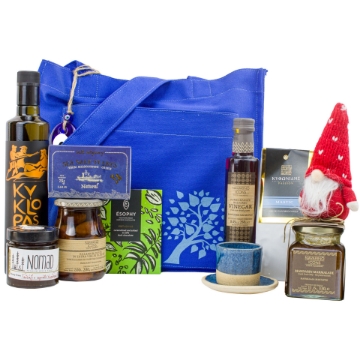
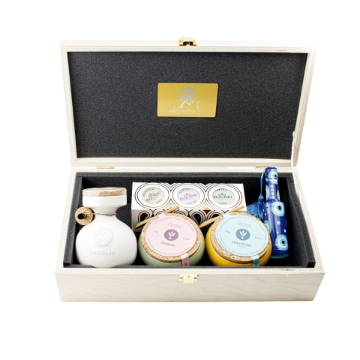
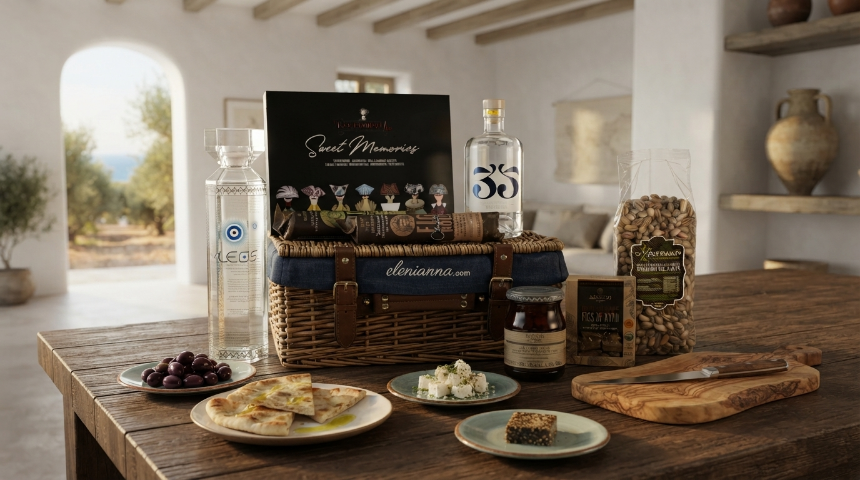
For those seeking to share this unparalleled experience, curated selections like the Luxury Greek Hamper Mezze - The Perfect Gift for Any Occasion offer a magnificent introduction, combining a variety of artisanal treats designed to delight. Alternatively, the Luxury Greek Food and Tote Bag Gift Set - Authentic Greek Delicacies in a Stylish Tote Bag provides a stylish and convenient way to explore these tastes, perfect for a thoughtful present. For a comprehensive exploration of the finest selections, the Luxury Greek Gourmet Gift Box – Artisanal Food Hamper exemplifies the very best of what Greek artisans have to offer, presenting a true connoisseur's collection. For a more personal discovery, consider a range of Tasting Sets & Flights which allow for a guided exploration of different olive oils or honeys, deepening one's sensory appreciation.Beyond the Plate: Enhancing the Sensory Experience
Enjoying these luxury items extends to their presentation and pairing. Imagine savoring a rich, monovarietal EVOO with crusty artisan bread, or drizzling thyme honey over authentic Greek yogurt. The experience is elevated by thoughtful combinations that highlight each ingredient’s unique characteristics. This holistic approach to gastronomy transforms eating into an act of mindful appreciation. In conclusion, luxury Greek gastronomy is a celebration of 'terroir', tradition, and meticulous craftsmanship. It is an invitation to explore a world where every olive, every drop of honey, and every artisanal product is a testament to Greece’s rich culinary heritage and its unwavering commitment to excellence. As we continue to bridge scientific insights with the pleasure of taste, the future of this ancient yet ever-evolving cuisine promises an even more profound and sustainable luxury experience for all.Continue exploring
Deepen your understanding with these curated Elenianna guides.
Frequently Asked Questions
Luxury in Greek gastronomy is defined by exceptional provenance, adherence to traditional artisanal methods, the purity and uniqueness of indigenous ingredients, and a profound respect for the 'terroir' that imparts distinctive flavors and qualities to each product.
PDO (Protected Designation of Origin) and PGI (Protected Geographical Indication) certifications legally protect and guarantee that a product originates from a specific geographical area and is produced according to traditional, strictly defined methods, ensuring its authenticity, quality, and unique characteristics.
Sustainability is crucial in high-end Greek food production, emphasizing eco-conscious farming, ethical sourcing, and supporting local communities. This approach preserves natural resources, maintains biodiversity, and ensures the long-term viability of the unique Greek culinary landscape.

Expert Insights by Xenophon Liapakis
With over 15 years of experience in Mediterranean gastronomy and a certification in Sensory Analysis, Xenophon Liapakis specializes in highlighting the Greek 'Terroir'. As Founder of elenianna, his mission is to bridge scientific knowledge with the ultimate luxury taste experience.