8 min read
The Essence of Greek Terroir in Luxury Gastronomy
The term 'terroir,' often associated with wine, extends deeply into the heart of Greek gastronomy. It encompasses the unique interplay of soil, climate, topography, and traditional farming practices that impart distinctive characteristics to local produce. Greece's diverse landscapes, from the sun-drenched Aegean islands to the rugged Peloponnesian mountains, cultivate an extraordinary array of ingredients, each telling a story of its origin. This intrinsic connection to the land is the cornerstone of sustainable luxury, ensuring that every bite carries the authentic essence of Greece.The Unparalleled World of Olive Oil
At the zenith of Greek gastronomy stands Olive Oil, a liquid gold revered since antiquity. Its significance extends beyond flavor, deeply intertwined with health and cultural identity. The pursuit of luxury in olive oil focuses on exceptional quality, exemplified by Organic & Early Harvest varieties. These oils, pressed from olives picked at the very start of the season, boast vibrant green hues and a robust, peppery finish, indicative of their high polyphenol content. Polyphenols, powerful antioxidants, are scientifically recognized for their beneficial properties. Specifically, the oleocanthal compound, responsible for the peppery sensation, has been a subject of extensive research, including studies conducted by the University of Athens, highlighting its anti-inflammatory effects.Discerning connoisseurs seek out Single Estate & Monovarietals, which showcase the distinct characteristics of a particular olive cultivar grown in a specific microclimate. For instance, the Koroneiki olive, indigenous to Greece, consistently yields an olive oil with a complex aromatic profile and remarkable stability. Beyond these singular expressions, innovative producers craft sophisticated Blends & Signature Collections, meticulously combining oils from different varietals to achieve a harmonious balance of flavor and aroma, often presented in elegant bottles that reflect their premium quality. For those wishing to explore the nuances, curated Tasting Sets & Flights offer an educational journey through Greece's finest oils, revealing the depth of their profiles.Artisanal Cheeses, Cured Meats, and Exceptional Honey
Beyond olive oil, Greece’s artisanal legacy thrives in its dairy and charcuterie. Traditional cheeses, often crafted from sheep or goat's milk, boast a Protected Designation of Origin (PDO) status, such as the famous Feta from specific regions, or the intensely flavored Graviera from Crete. These cheeses are made using time-honored techniques passed down through generations, ensuring an authentic taste that cannot be replicated. Similarly, cured meats like 'apaki' from Crete or 'loukaniko' from various regions exemplify regional culinary prowess, utilizing unique blends of herbs and spices. And one must not overlook the exquisite Greek honey, a testament to the country's rich biodiversity. Thyme honey, in particular, from the Aegean islands, offers a deeply aromatic and complex sweetness that elevates any culinary creation.Sustainable Practices and Eco-Conscious Production
Luxury in the modern era is inextricably linked to sustainability. Greek producers, recognizing their role as stewards of the land, increasingly adopt practices that respect the environment and preserve biodiversity. This commitment is evident in the burgeoning number of organic farms and the revival of traditional, low-impact farming methods. From regenerative agriculture in vineyards to sustainable fishing practices in the Aegean, the focus is on producing exceptional quality while minimizing ecological footprint.Honoring Ancient Traditions in Modern Production
The production methods employed by luxury Greek producers are a delicate balance of ancient wisdom and contemporary innovation. Techniques like natural fermentation, sun-drying, and slow curing are not just historical curiosities; they are integral to the flavor development and authenticity of products. This respect for heritage ensures that the unique character of Greek ingredients is preserved, offering a taste experience that is both timeless and profoundly rooted.The Role of Small-Batch Producers
Much of Greece’s luxury gastronomy is driven by passionate small-batch producers. These artisans often manage their entire production cycle, from cultivation to packaging, allowing for meticulous quality control and a deep personal investment in their products. Their dedication results in limited-edition, exceptional items that embody the very soul of Greek craftsmanship, offering a direct connection to the source and the story behind each delicacy.The Art of Pairing and Presentation
Enjoying luxury Greek gastronomy is an art form that transcends mere consumption; it is an experience of sophisticated pairing and elegant presentation. Imagine a meze spread featuring creamy tzatziki alongside grilled halloumi, drizzled with a robust Single Estate & Monovarietal Olive Oil, complemented by artisan bread and a selection of local olives. The visual appeal is as important as the taste, with vibrant colors and diverse textures inviting a leisurely indulgence.To elevate such an experience, consider thoughtful pairings. Refreshing Non‑Alcoholic Beverages, such as sparkling Masticha water or herbal infusions from the Greek mountains, can cleanse the palate and enhance the delicate flavors of the dishes. For those exploring the depths of Greek olive oils, our Tasting Sets & Flights are designed to guide you through the sensory journey, revealing the subtle differences that make each oil unique.Gifting the Taste of Greece: Curated Collections
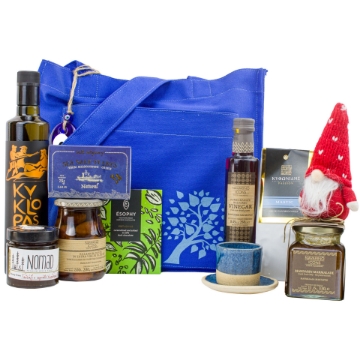
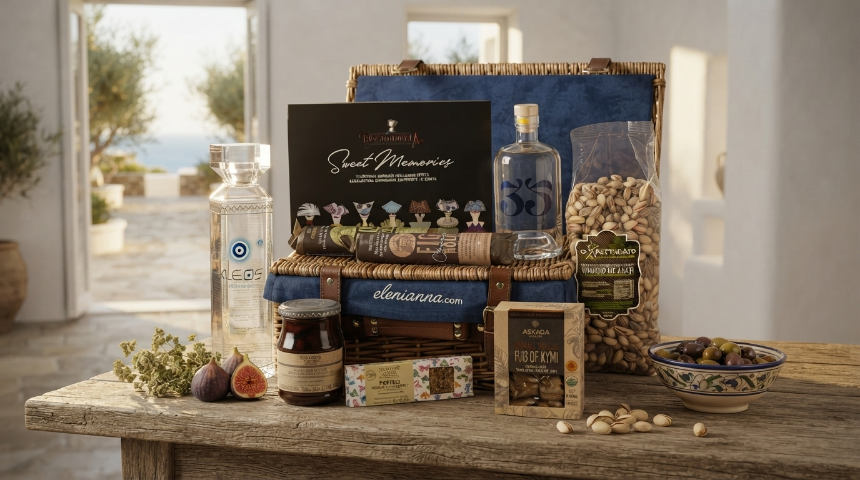
Presenting the essence of Greek luxury as a gift is a profound gesture of appreciation and refined taste. Curated collections allow recipients to embark on their own culinary journey, discovering the authentic flavors and stories of Greece. For those seeking an ideal present, the Luxury Greek Hamper Mezze - The Perfect Gift for Any Occasion offers a delightful array of traditional appetizers and gourmet delights, perfect for sharing and celebration. Alternatively, the Luxury Greek Food and Tote Bag Gift Set - Authentic Greek Delicacies in a Stylish Tote Bag combines practicality with exquisite taste, making it a memorable and sustainable choice.For a truly sophisticated offering, the Luxury Greek Gourmet Gift Box – Artisanal Food Hamper provides a premium selection of high-quality products, meticulously chosen for their exceptional flavor and provenance. To enhance the overall ambiance of such a gift, consider pairing it with items that appeal to the senses beyond taste, such as our exquisite Ceramic & Glass Vessel Candles, which can evoke the aromas of the Mediterranean and create a truly immersive experience.Beyond the Plate: Cultural Immersion
Luxury Greek gastronomy is more than just food; it is an invitation to immerse oneself in a culture rich with history, hospitality, and profound traditions. Each dish, each ingredient, carries echoes of ancient feasts, agricultural cycles, and communal celebrations.Regional Specialities: The Case of Cretan Taste
The island of Crete, for instance, offers a distinct culinary identity known as Cretan Taste, celebrated for its unique array of herbs, wild greens, and the purest forms of olive oil and raki. The Cretan diet, often cited as a paradigm of health and longevity, exemplifies how simple, high-quality ingredients, when combined with traditional wisdom, can create a gastronomy that is both luxurious and deeply nourishing. Exploring regional specialties is to engage directly with the diverse culinary landscape of Greece.The Philosophy of Philoxenia through Food
At the heart of Greek culture is 'philoxenia' – the unconditional hospitality towards strangers. This ethos is beautifully expressed through food, where sharing a meal is an act of communion, generosity, and welcome. Luxury Greek gastronomy embodies this philosophy, offering not just sustenance, but an experience that fosters connection, celebration, and a deep appreciation for life's finer pleasures.The Future of Luxury Greek Gastronomy
As we look to the future, luxury Greek gastronomy is poised for even greater global recognition. The emphasis on transparency, traceability, and the intrinsic value of 'clean' ingredients resonates deeply with modern discerning consumers. Innovation in packaging, sustainable distribution, and the continuous pursuit of scientific validation for traditional wisdom will further solidify Greece's position as a leader in gourmet excellence. The commitment to preserving biodiversity, supporting local communities, and championing authentic flavors ensures that the legacy of Greek luxury will continue to thrive for generations to come.From the verdant groves yielding the finest Olive Oil to the passionate artisans crafting exceptional cheeses and honeys, Luxury Greek Gastronomy is a journey of sensory delight and cultural discovery. It is a testament to the power of tradition, the bounty of nature, and the unwavering dedication of those who transform simple ingredients into extraordinary experiences. As we savor these treasures, we don't just taste Greece; we experience its soul.Continue exploring
Deepen your understanding with these curated Elenianna guides.
Frequently Asked Questions
True luxury in Greek gastronomy is defined by authenticity, provenance, sustainable and ethical production methods, exceptional quality ingredients, traditional craftsmanship, and the rich cultural heritage embedded in each product. It's about a deep connection to the 'terroir' and the story behind the food.
Luxury Greek olive oil, particularly Organic & Early Harvest and Single Estate & Monovarietals, is crucial due to its superior flavor profile, aromatic complexity, and high concentration of beneficial polyphenols, including oleocanthal. These compounds contribute to both exquisite taste and scientifically recognized health benefits, as highlighted by research from institutions like the University of Athens.
Absolutely. Regions like Crete are celebrated for their distinctive Cretan Taste, including exceptional olive oil, cheeses, and herbs. The Peloponnese is renowned for its diverse olive varietals, while the Aegean islands offer unique honeys and artisanal dairy. Each region contributes its own specialties, shaped by its specific 'terroir' and ancient culinary traditions.

Expert Insights by Xenophon Liapakis
With over 15 years in Mediterranean gastronomy and a certification in Sensory Analysis, Xenophon Liapakis specializes in highlighting the unique Greek 'Terroir'. As Founder of elenianna, his mission is to fuse scientific insights, like the benefits of polyphenols, with the ultimate luxury taste experience.