7 min read
The Rich Tapestry of Greek Dessert Heritage
Greek desserts are a vibrant testament to a culinary heritage deeply rooted in ancient traditions and influenced by empires. From the Byzantine era to Ottoman rule, the gastronomic landscape of Greece absorbed and adapted, resulting in a diverse array of sweets that speak volumes about hospitality and celebration. Each region, from the mainland's rugged mountains to the sun-drenched islands, boasts its unique specialities, often reflecting local produce like honey, nuts, and fruits. These desserts are not just consumed; they are an integral part of life's milestones – weddings, christenings, holidays – symbolizing prosperity, sweetness, and enduring connections. The intricate preparation, often passed down through generations, ensures that each bite carries the weight of history and heartfelt tradition.Regional Delicacies and Their Stories
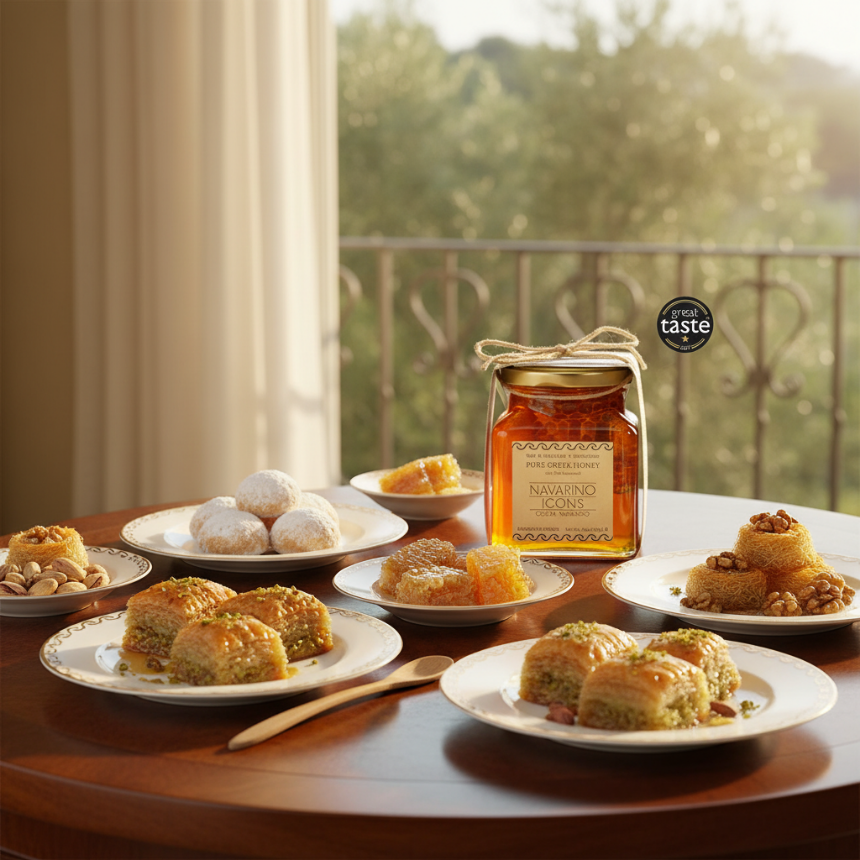
Consider the syrupy delights like Baklava, Kantaifi, and Galaktoboureko, where layers of phyllo embrace rich nut fillings, all drenched in aromatic honey syrup. Then there are the delicate butter cookies, Kourabiedes, dusted with copious amounts of powdered sugar, and the honey-soaked Melomakarona, infused with citrus and spices – both quintessential Christmas treats. Each dessert tells a story of its origin, ingredients, and the hands that lovingly prepared it, making them far more than just a sweet indulgence. The very essence of Greek hospitality is embedded in these creations, reflecting a desire to share abundance and joy with guests.Beyond Sweetness: The Nutritional Profile of Traditional Greek Desserts
While undeniably indulgent, many traditional Greek desserts inherently incorporate ingredients renowned for their beneficial properties, aligning with the principles of the Mediterranean diet. The cornerstone ingredients – pure Greek honey, premium nuts like walnuts and almonds, fresh fruits, and high-quality Olive Oil – contribute significantly to their nutritional value. For example, Greek honey, especially from specific floral sources, is rich in antioxidants. According to a study published in the journal Food Chemistry, various Greek honeys exhibit significant antioxidant, antimicrobial, and anti-inflammatory properties due to their phenolic compounds. Similarly, nuts provide healthy fats, fiber, and essential minerals.The Role of Olive Oil and Polyphenols
A crucial element often found in Greek desserts, either as a primary ingredient or a subtle enhancer, is olive oil. When sourced as a High-Phenolic (Health Claim) extra virgin olive oil, it introduces powerful polyphenols, including oleocanthal, known for its anti-inflammatory effects comparable to ibuprofen, as noted by research published in PubMed. Using high-quality olive oil, particularly an Organic & Early Harvest varietal, not only elevates the flavor profile but also imbues the dessert with these health-promoting compounds. The University of Athens, through ongoing research into the Mediterranean diet, consistently highlights the protective effects of polyphenols found in olive oil against oxidative stress and chronic diseases. This scientific backing adds another layer of sophistication and value to Greek desserts, transforming them from mere treats into a component of a balanced, health-conscious lifestyle.The Art of Luxury Gifting: Presenting Greek Desserts with Panache
In the realm of luxury gifting, presentation is paramount. A truly memorable gift transcends the item itself, extending to the entire unboxing experience. For Greek desserts, this means selecting packaging that reflects their inherent elegance and the quality of their ingredients. Imagine bespoke boxes crafted from sustainable materials, perhaps adorned with subtle Hellenic motifs or a minimalist design that speaks to understated sophistication. Inside, the desserts should be nestled securely, perhaps individually wrapped in artisanal paper, revealing their beauty only upon careful unwrapping. This attention to detail elevates the gift from a simple food item to a curated experience.Curating Complementary Luxuries
To amplify the luxury gifting experience, consider pairing Greek desserts with other high-end items. A selection of gourmet teas or artisanal coffees could perfectly complement the sweet flavors. For an even more immersive and sensory gift, including elements that create an ambiance can be transformative. A beautifully crafted, Luxury Handmade Candles, perhaps with a subtle, Mediterranean-inspired scent, or elegant Reed Diffusers & Room Scents, can enhance the recipient's environment, creating a holistic sensory journey that extends beyond the culinary delight. This thoughtful combination transforms a simple gift into a lasting impression, reflecting a deep understanding of luxury and well-being.Corporate Unboxing Experiences: Impressing with Greek Elegance
For corporate gifting, the objective often extends beyond mere appreciation; it's about reinforcing brand values, fostering relationships, and leaving a distinguished impression. Greek desserts, with their blend of tradition, quality, and often health-conscious ingredients, serve as exceptional vehicles for this. A corporate unboxing experience featuring these delicacies communicates sophistication, a global outlook, and an appreciation for fine craftsmanship. When an executive or a valued client opens a precisely curated box of Greek sweets, they are not just receiving a gift; they are engaging with a piece of cultural artistry that reflects positively on the giver's brand.Tailored Corporate Presentations
The key to successful corporate unboxing lies in customization and narrative. Partnering with producers who can tailor selections or provide branding opportunities on packaging can create a truly unique gift. Consider including a small, elegantly printed card detailing the heritage of the desserts, the quality of their ingredients (like the inclusion of Organic & Early Harvest olive oil), and even a brief note on their health benefits, perhaps citing sources like the European Food Safety Authority (EFSA) for general nutritional claims. This not only informs but also educates the recipient, adding perceived value and demonstrating a commitment to quality and transparency. Such an approach transforms a simple gift into a statement of refined taste and thoughtful consideration, ideal for high-stakes business relationships.Curating the Ultimate Greek Dessert Collection
Building a truly representative and luxurious collection of Greek desserts for gifting requires an understanding of both traditional favorites and perhaps more unique, regional specialties. The aim is to offer a diverse taste experience that showcases the breadth and depth of Greek confectionery.Selection for Discerning Palates
Start with the classics that embody Greek sweetness: impeccable Baklava, known for its delicate, crisp layers; fluffy Loukoumades drizzled with golden honey; and the aforementioned seasonal delights like Kourabiedes and Melomakarona. Beyond these, explore spoon sweets (glyka tou koutaliou), which are preserved fruits, often served with a spoon in a glass of cold water, offering a refreshing and elegant treat. Look for artisanal versions that emphasize natural fruit flavors and minimal sugar. The quality of ingredients, such as locally sourced nuts, aromatic spices, and particularly the Olive Oil used in preparation, are paramount. Some modern interpretations of traditional desserts might even feature infusions with unique Greek botanicals, providing a novel twist while honoring heritage. For those seeking the pinnacle of quality, opting for desserts made with ingredients that can also be found in high-end categories like Single Estate & Monovarietals olive oils or artisanal honey ensures a truly elevated product.The Future of Greek Dessert: Innovation Meets Tradition
The world of Greek desserts is not static; it continually evolves while deeply respecting its roots. Contemporary Greek pastry chefs are exploring innovative techniques and flavor combinations, breathing new life into traditional recipes. This fusion of old and new often involves lighter versions of classics, imaginative presentations, and the incorporation of superfoods or novel ingredients that appeal to a health-conscious, modern palate. Yet, the core essence – the celebration of natural ingredients and the warmth of Mediterranean hospitality – remains unchanged. The focus on sustainability, ethical sourcing, and supporting local artisan producers is also gaining traction, ensuring that the legacy of Greek desserts continues to thrive for generations to come. In conclusion, Greek desserts offer a rich and multifaceted opportunity for luxury gifting and corporate unboxing. They are more than just confections; they are cultural artifacts, packed with history, nutritional benefits, and an undeniable allure. By focusing on exquisite presentation, scientific backing, and the unparalleled quality of ingredients like Organic & Early Harvest components, we transform a simple sweet into a profound statement of luxury and appreciation, creating truly unforgettable moments.Frequently Asked Questions
Greek desserts embody a rich cultural heritage, are often made with high-quality, natural ingredients like honey, nuts, and premium Olive Oil, and offer unique flavor profiles that convey thoughtfulness and sophistication. Their artisanal nature and deep historical roots elevate them beyond ordinary sweets.
Many traditional Greek desserts utilize ingredients known for their health benefits, such as honey with its antioxidant properties and nuts rich in healthy fats and fiber. For instance, desserts incorporating High-Phenolic (Health Claim) Olive Oil can offer beneficial compounds like oleocanthal, as supported by studies published in scientific databases like PubMed, contributing to their overall wellness profile within a balanced diet.
To ensure authenticity and quality, look for desserts made by reputable artisans or brands that prioritize traditional recipes and high-quality, often locally sourced, ingredients. Details such as certifications for Organic & Early Harvest ingredients, or descriptions emphasizing handcrafted preparation and regional specificity, are good indicators of superior quality. Transparency regarding ingredient sourcing and preparation methods also speaks to genuine excellence.

Expert Insights by Xenophon Liapakis
With over 15 years of experience in Mediterranean gastronomy and a certification in Sensory Analysis, Xenophon Liapakis specializes in highlighting the Greek 'Terroir'. As Founder of elenianna, his mission is to bridge scientific knowledge with the ultimate luxury taste experience.