8 min read
The Rich Tapestry of Greek Dessert Traditions
The foundation of Greek desserts is built upon a heritage that spans millennia, drawing influences from Ancient Greece, the Byzantine Empire, and Ottoman culinary traditions. This rich amalgamation has resulted in a diverse repertoire, where common ingredients like golden honey, aromatic nuts (walnuts, almonds, pistachios), delicate phyllo pastry, and sweet spices (cinnamon, clove) are transformed into masterpieces. Each region of Greece boasts its own unique sweet specialties, reflecting local produce and historical narratives. For instance, the syrupy delights of the north often incorporate semolina, while the island creations might feature citrus, mastic, or local cheeses. Understanding these regional variations is key to appreciating the depth and complexity of Greek dessert gastronomy.Beyond Baklava: A Gourmet Exploration
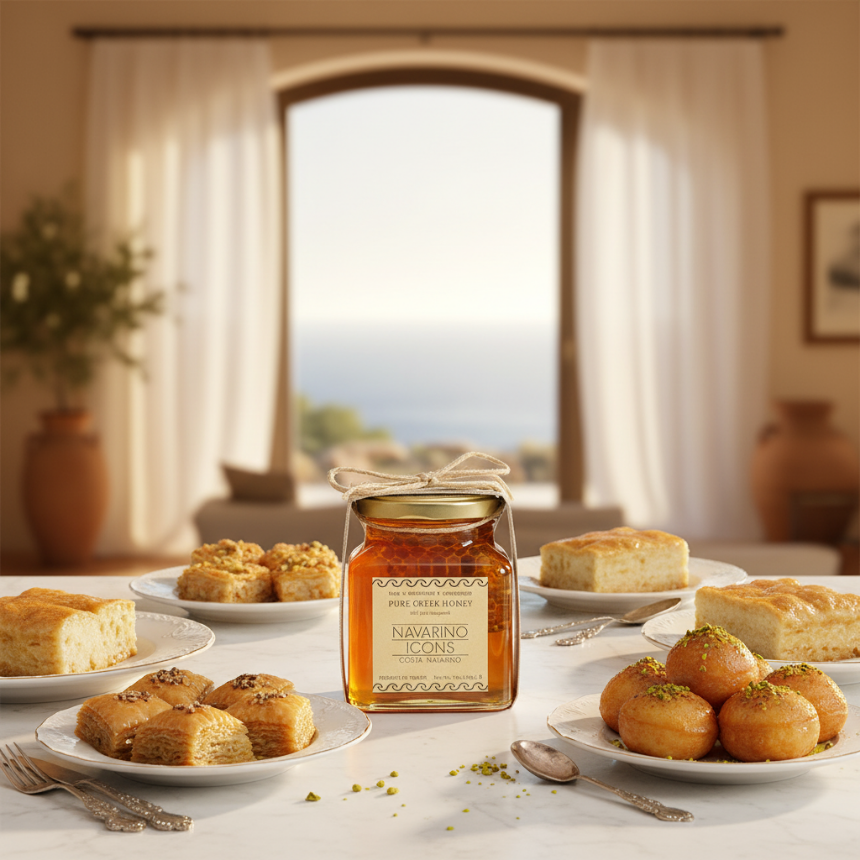
While baklava is globally recognized, the spectrum of Greek desserts extends far beyond its honeyed layers. Consider Galaktoboureko, a creamy custard encased in crisp phyllo, drenched in a fragrant lemon-infused syrup – a true marvel of contrasting textures and harmonious flavors. Or the ethereal Loukoumades, golden fried dough balls, light as air, served typically with honey and walnuts, often elevated with a sprinkle of cinnamon or even a delicate rosewater syrup. Karydopita, a moist walnut cake soaked in syrup, offers a comforting richness, while Ravani, a semolina cake, delivers a unique grainy texture perfectly complemented by its sweet bath. Pasteli, a sesame and honey bar, provides an ancient, naturally sweet and energy-rich treat. These desserts, when prepared with precision and the finest ingredients, transform a simple meal into an extraordinary culinary event, echoing the very essence of luxury and tradition. The careful selection of premium honey, often single-origin, and the freshest nuts are paramount to achieving their authentic, sophisticated profiles.The Art of Pairing: Elevating Greek Desserts to Michelin Standards
Pairing desserts effectively is an art form, especially when aiming for a Michelin-star experience at home. Greek desserts, with their often complex sweetness and aromatic profiles, demand thoughtful consideration. For instance, the richness of baklava or karydopita finds its perfect match in a glass of aged Greek dessert wine like a Mavrodaphne from Patras or a Samos Nectar. For lighter, fruitier desserts, a crisp, sweet Muscat of Samos can provide an exquisite counterpoint. Coffee also plays a crucial role; a robust, traditional Greek coffee or a sophisticated espresso can cut through the sweetness, cleansing the palate and preparing it for the next delightful bite. Intriguingly, even the finest Olive Oil can be an unexpected ally in dessert pairings. A mild, fruity varietal, particularly an Organic & Early Harvest oil, can be drizzled over fruit-based desserts or even certain semolina cakes, adding a subtle peppery note and a luxurious mouthfeel. For a truly innovative touch, consider incorporating a High-Phenolic (Health Claim) olive oil into contemporary dessert recipes, not just for its unique flavor profile, but also for its lauded health benefits, such as its antioxidant properties, as supported by numerous studies.A Symphony of Flavors: Integrating Unique Ingredients
To truly elevate Greek desserts, one must explore the nuanced integration of unique ingredients. Mastic, a resin from the mastic tree found almost exclusively on the island of Chios, imparts a unique, pine-like aroma and slight chewiness to puddings, ice creams, and even certain syrupy cakes. Saffron, cultivated in Kozani, offers its distinctive golden hue and subtle floral notes to semolina dishes and rice puddings. Rosewater, a legacy of Ottoman influence, provides a delicate, fragrant lift to many syrup-soaked pastries. These ingredients, when sourced with impeccable quality, transform traditional recipes into contemporary gourmet experiences. The emphasis on seasonality, such as fresh figs, cherries, or grapes, further enriches the dessert palette, ensuring vibrant flavors and textures that are a hallmark of sophisticated dining.The Health & Wellness Aspect of Traditional Greek Sweets
While often perceived as indulgent, many traditional Greek desserts inherently align with the principles of the Mediterranean diet, especially when consumed in moderation and prepared with high-quality, natural ingredients. The primary sweetener in many Greek desserts is honey, a natural product rich in antioxidants and beneficial compounds. A study by the Department of Food Science and Technology at the National and Kapodistrian University of Athens, published in scientific journals, highlights the significant antioxidant capacity of Greek honey, attributing it to its rich phenolic content. Similarly, nuts like walnuts and almonds are central to many recipes, providing healthy fats, protein, and fiber. According to research published in PubMed, these nuts are excellent sources of omega-3 fatty acids and powerful antioxidants, contributing to cardiovascular health and overall well-being. The emphasis on whole grains (semolina, phyllo) and fresh fruits further contributes to the nutritional value, positioning these sweets as more than just empty calories but as components of a balanced, albeit celebratory, diet.The Mediterranean Diet's Sweetest Secret
Many Greek desserts, in their authentic form, embody the 'sweetest secret' of the Mediterranean diet: moderation and quality ingredients. They are typically enjoyed as a small treat after a meal or during special occasions, rather than as an everyday staple. This mindful approach, combined with the inherent nutritional value of their components, allows for indulgence without guilt. The use of natural, unprocessed ingredients, a hallmark of Greek culinary philosophy, ensures that even the most decadent desserts offer some measure of goodness.Crafting the Ultimate Greek Dessert Experience at Home
Creating a Michelin-star dessert experience at home involves more than just following a recipe; it's about meticulous attention to detail, presentation, and ingredient selection. Begin by sourcing the finest ingredients: premium local honey, fresh, aromatic nuts, and high-quality butter for phyllo pastries. For those seeking truly unique flavor profiles, exploring Single Estate & Monovarietals olive oils can provide an unexpected yet delightful aromatic dimension to certain dessert components. Presentation is paramount: delicate garnishes like edible flowers, finely crushed pistachios, or a whisper of powdered sugar can transform a simple dessert into a visual masterpiece. Consider creating a curated dessert 'flight' for your guests, perhaps inspired by a sophisticated Tasting Sets & Flights concept, offering small portions of several different sweets, each with a perfectly matched beverage. The art of plating, using elegant tableware and thoughtfully arranged elements, elevates the entire experience, reflecting the care and passion invested in the creation.Ingredient Sourcing and Authenticity
Authenticity in Greek desserts begins with sourcing. Seek out PDO (Protected Designation of Origin) honey, specific regional nuts, and traditional spices. Understanding the origin and quality of your ingredients is fundamental to replicating the true flavors of Greece. This commitment to quality is what distinguishes a good dessert from an extraordinary one, ensuring that each bite transports one to the sun-kissed landscapes of Greece.Beyond the Palate: The Aromatic Ambiance
The ultimate luxury dining experience engages all the senses. While the taste and visual appeal of Greek desserts are paramount, the surrounding ambiance significantly enhances the enjoyment. Imagine the subtle flicker of a flame and the delicate fragrance of Pure Greek Olive Wax Candles, or the sophisticated notes diffused by Reed Diffusers & Room Scents, creating an atmosphere that perfectly complements the culinary journey. A thoughtfully chosen scent, perhaps with hints of citrus, olive, or subtle spices, can elevate the entire dessert course from a mere meal component to a holistic sensory event. These elements, though seemingly small, contribute immensely to crafting an unforgettable and truly luxurious dining experience at home, echoing the warmth and hospitality of Greek culture. In conclusion, Greek desserts are far more than just sweet treats; they are a culinary narrative, deeply rooted in history, science, and the art of fine dining. By embracing authentic ingredients, understanding the nuances of flavor pairing, and appreciating the healthful attributes, one can truly unlock the profound luxury and sophistication inherent in these timeless Mediterranean creations. They offer an indulgence that nourishes both body and soul, a testament to the enduring power of Greek gastronomy.Frequently Asked Questions
Greek desserts are distinguished by their profound use of honey, nuts, phyllo pastry, and unique regional ingredients like mastic and saffron. They often strike a balance between rich sweetness and aromatic spices, reflecting a historical tapestry of influences and a deep connection to local agricultural produce.
When enjoyed in moderation and prepared with high-quality, natural ingredients such as honey, nuts, and fruits, many traditional Greek desserts align with the principles of the Mediterranean diet. They offer beneficial compounds like antioxidants from honey and healthy fats from nuts, making them a more wholesome indulgence than many processed sweets.
To elevate Greek desserts, focus on sourcing premium ingredients, mastering precise preparation techniques, and exquisite presentation. Thoughtful pairings with Greek dessert wines or specialty coffees, alongside creating an ambient atmosphere with elements like Pure Greek Olive Wax Candles, will transform your home dining into a Michelin-star worthy experience.

Expert Insights by Xenophon Liapakis
As an authority in Mediterranean gastronomy, I bring over 15 years of experience, complemented by a certification in Sensory Analysis. My expertise, rooted in scientific understanding of ingredients like polyphenols and Oleocanthal, focuses on curating unparalleled luxury taste experiences that celebrate the Greek 'Terroir'.