
7 min read
Tracing the Roots: Ancient Greek Hydration and Elixirs
Ancient Greece was not only the cradle of philosophy but also a sophisticated society that valued natural remedies and refreshing libations. Long before distilled spirits became commonplace, Greeks relied on a variety of natural beverages for sustenance, ritual, and pleasure. These included infusions of herbs, diluted honey drinks (hydromeli), and fruit juices, often consumed for their perceived medicinal properties or for ceremonial purposes.Nectars of the Gods: Early Botanical Infusions
The wisdom of Hippocrates, the father of Western medicine, frequently highlighted the therapeutic benefits of various botanicals. His writings detailed the use of herbs like chamomile, linden, and sage infused in water to create invigorating and healing drinks. These early infusions, often sweetened naturally, represent the primordial non-alcoholic Greek beverage. They were not merely thirst quenchers but integral parts of daily life, reflecting a deep connection to the land and its bounty. Archaeological findings often reveal vessels used for preparing and serving these botanical elixirs, attesting to their cultural significance. This historical reverence for nature’s pharmacy laid the groundwork for modern Greek non-alcoholic drinks, emphasizing purity, authenticity, and healthful properties.The Essence of Terroir in Greek Non-Alcoholic Creations
The diverse Greek landscape, characterized by its numerous microclimates, is a treasure trove of indigenous botanicals, each thriving in specific conditions. From the Aegean islands' sea-kissed herbs to the Peloponnese's mountainous flora, this environmental mosaic creates an unparalleled palette of flavors for discerning palates.Microclimates and Indigenous Greek Botanicals
Consider the wild herbs of Ikaria, renowned for its 'blue zone' inhabitants, or the aromatic mountain tea (Sideritis) from Mount Olympus. Each region contributes unique notes – a peppery finish, a citrusy zest, an earthy undertone – that define the essence of its plant life. This nuanced relationship between plant and place is what we call terroir. The meticulous selection of botanicals that defines traditional spirits like Varvayanni Ouzo Green 70cl and Varvayanni Blue Ouzo 70cl, with their distinct anise profiles derived from specific regions and distillation processes, highlights how terroir profoundly shapes flavor. These renowned alcoholic beverages, crafted through time-honored distillation methods, exemplify the botanical richness and regional specificity that also inspire the creation of complex, sophisticated non-alcoholic alternatives, capturing essence without alcohol. The same aniseed, fennel, and other local aromatic plants find new expression in inventive mocktails and infused waters, maintaining an authentic Greek character.Artisanal Alchemy: Crafting Modern Greek Non-Alcoholic Experiences
The evolution of Greek non-alcoholic beverages is a testament to the enduring spirit of artisanal craftsmanship, where traditional techniques are reimagined for contemporary tastes. This segment is not about imitation but innovation, creating distinct experiences that honor Greek heritage.From Ancient Infusions to Contemporary Mocktails
Modern Greek non-alcoholic artisans are drawing from age-old methods like cold infusion, maceration, and slow fermentation to craft unique beverages. These techniques allow for the gentle extraction of flavors and beneficial compounds from fruits, herbs, and spices, resulting in drinks that are both complex and refreshing. For instance, traditional Greek fruit preserves and spoon sweets (glyka tou koutaliou), often served with water, are inspiring new syrups and concentrates that form the base of exquisite non-alcoholic cocktails. Similarly, the elegance found in Greek sparkling wines, such as the Milia Riza The Experiential Blanc de Gris 2020, which showcases the unique character of Moschofilero grapes cultivated with precision, inspires a burgeoning array of non-alcoholic sparkling options. These innovative beverages seek to replicate the celebratory effervescence and nuanced flavor profiles, bringing a similar level of craftsmanship to the non-alcoholic segment. From sparkling grape musts infused with Greek botanicals to sophisticated herbal sodas, the creativity is boundless.The Health Imperative: Wellness in Greek Non-Alcoholic Choices
The global shift towards health-conscious living has found a natural home in Greek non-alcoholic beverages, which are increasingly celebrated for their inherent wellness benefits, aligning perfectly with the principles of the Mediterranean diet.Polyphenols, Antioxidants, and Botanical Purity
Many Greek herbs and fruits are rich in bioactive compounds, particularly polyphenols and antioxidants, known for their protective properties against oxidative stress. Research by institutions such as the University of Athens has extensively explored the high antioxidant content in various indigenous Greek herbs like oregano, thyme, and rosemary, as well as fruits such as pomegranates and figs. These studies underscore the immense value of integrating such ingredients into health-conscious beverages. For example, the inclusion of ingredients like carob, known for its digestive benefits and rich mineral profile, or the use of potent spices, contributes to drinks that are not only delicious but also functional. The emphasis on high-quality, often Organic & Early Harvest ingredients, mirrors the commitment to purity found in premium Greek produce, ensuring that every sip is imbued with the goodness of the Mediterranean. This focus on natural, potent ingredients makes Non‑Alcoholic Beverages a cornerstone of a holistic wellness approach.Pairing Perfection: Non-Alcoholic Greek Beverages in Gastronomy
The versatility of sophisticated Greek non-alcoholic beverages makes them ideal companions for a wide range of culinary experiences, elevating traditional and contemporary Greek gastronomy alike.Elevating the Mediterranean Dining Ritual
Just as a carefully selected wine enhances a meal, a well-chosen non-alcoholic Greek beverage can heighten the flavors of a dish. Imagine a crisp, sparkling herbal infusion complementing the fresh acidity of a Greek salad, or a rich, spiced fruit elixir cutting through the savory notes of slow-cooked lamb. The complexity and depth of these beverages allow for thoughtful pairings that enhance the dining ritual without the influence of alcohol. For example, a delicate floral mocktail might pair beautifully with light seafood dishes, while a more robust, earthy blend could stand up to hearty meat or vegetable stews. This approach not only caters to those who choose not to consume alcohol but also introduces a new dimension to the celebrated Cretan Taste and other regional Greek culinary traditions, demonstrating a complete dedication to the sensory experience from aperitif to digestif. The presentation is also key; just as one might choose elegant glassware for a fine wine, the aesthetic pleasure of these beverages can be enhanced by beautifully designed vessels, reminiscent of the artistry found in Ceramic & Glass Vessel Candles that adorn a refined table.The Future of Greek Non-Alcoholic Elegance
The landscape of Greek non-alcoholic beverages is poised for significant growth, driven by a global appreciation for health, authenticity, and unique flavor profiles. The fusion of ancient wisdom, rich terroir, and modern innovation is creating an exciting category that offers much more than simple soft drinks.This burgeoning sector celebrates the botanical wealth of Greece, offering drinks that are deeply rooted in tradition yet forward-looking in their execution. It reflects a comprehensive philosophy that values quality, provenance, and the overall experience, extending from the careful cultivation of botanicals to the final, exquisite pour. The commitment to crafting unparalleled taste experiences, whether through potent infusions or delicate sparkling concoctions, reaffirms Greece’s place at the forefront of luxury gastronomy, proving that sophistication can be savored in every form.
Continue exploring
Deepen your understanding with these curated Elenianna guides.
Frequently Asked Questions
Sophisticated non-alcoholic Greek beverages are characterized by their deep connection to terroir, using indigenous Greek botanicals and fruits, and employing artisanal techniques like slow infusions and maceration. They offer complex flavor profiles and are crafted with a focus on quality, authenticity, and often, health benefits.
Greek terroir, encompassing specific soil, climate, and topography, imparts unique characteristics to indigenous herbs, fruits, and spices. These microclimates foster botanicals with distinct flavor notes – from the citrusy zest of island herbs to the earthy undertones of mountain teas – which are then captured and expressed in the non-alcoholic beverages, offering a true taste of their origin.
Absolutely. The rich botanical heritage and meticulous craftsmanship behind traditional Greek spirits, like the anise-forward ouzo or elegant sparkling wines, serve as a profound inspiration. Artisans extract similar flavor profiles and essences from the same high-quality ingredients, applying them to non-alcoholic preparations to create beverages that offer complexity and a uniquely Greek character without the alcohol.

Expert Insights by Xenophon Liapakis
With over 15 years specializing in Mediterranean luxury gastronomy and botanical skincare, Xenophon Liapakis holds certifications in Sensory Analysis, bringing a discerning palate to the exploration of Greek terroir. As Founder of elenianna, his mission is to fuse scientific understanding of beneficial compounds like polyphenols with an unparalleled luxury taste experience across all Greek offerings.
Explore Elenianna Treasures
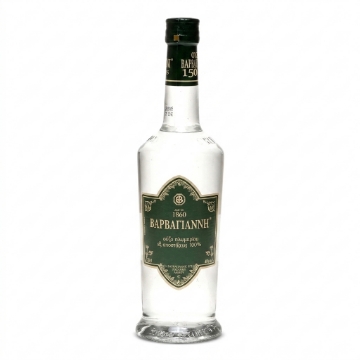 Varvayanni Ouzo Green 70cl - Soft Taste Greek Spirit 42% ABV | Plomari Lesvos Water, Anise Aperitif, Traditional Distillation
 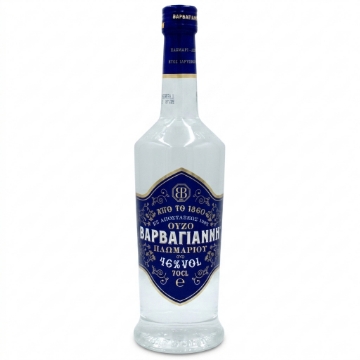 Varvayanni Blue Ouzo 70cl - Classic Greek Anise Spirit
 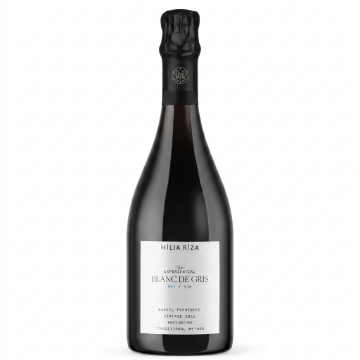 Milia Riza The Experiential Blanc de Gris 2020 - Traditional Method Sparkling Wine 75cl | Moschofilero, 19 Months on Lees, Brut, 12% ABV
 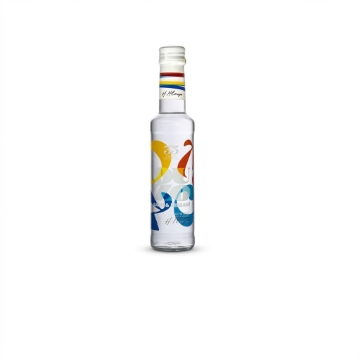 35N Greek Ouzo 200ml - 100% Distilled Spirit 42% ABV | Rethymno Crete Traditional Anise Aperitif
 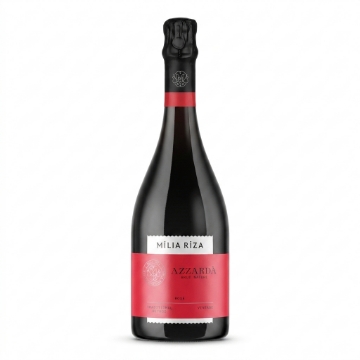 Milia Riza Azzardà Rosé 2022 - Brut Nature Traditional Method Sparkling Wine 75cl | Agiorgitiko, Ancient Nemea, 24 Months on Lees