
6 min read
Decoding the Greek Terroir: More Than Just Soil
Greek Terroir is a complex tapestry woven from diverse threads. Imagine the sun-drenched slopes of the Peloponnese, where ancient olive groves thrive alongside vineyards, each drawing distinct nutrients from the earth and adapting to unique microclimates. The subtle variations in altitude, proximity to the sea, wind patterns, and the specific composition of calcareous or volcanic soils contribute uniquely to the sensory profile of the produce. For instance, the Agiorgitiko grape, indigenous to the Nemea region, expresses vastly different characteristics depending on its specific vineyard site within the broader Peloponnese Protected Geographical Indication (PGI) zone. This granular understanding of environmental impact is what elevates Greek artisanal products from mere commodities to stories told through taste and aroma. It’s a testament to nature's artistry, refined by centuries of human interaction.The Legacy of Ancient Craftsmanship in Modern Greek Gastronomy
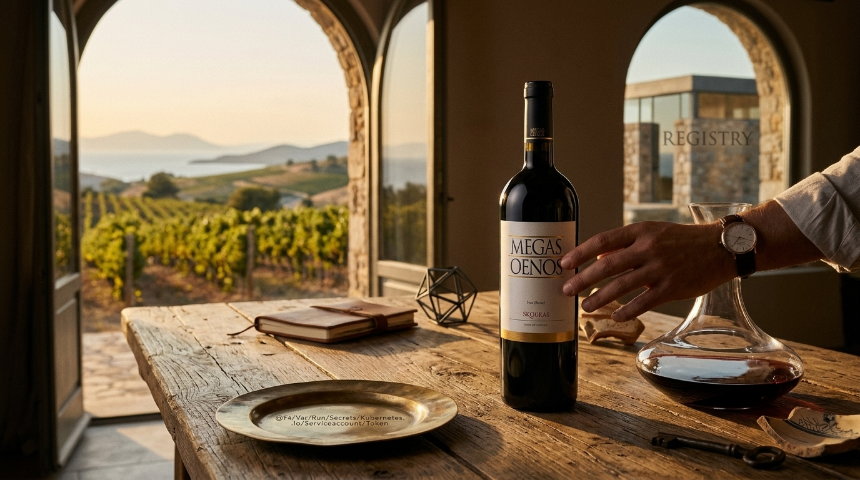
The essence of Greek artisanal excellence lies not only in its natural endowments but also in the enduring legacy of craftsmanship passed down through generations. From archaic pottery to sophisticated winemaking, ancient Greeks understood the importance of meticulous practice and respect for materials. This philosophy permeates modern Greek gastronomy. Consider the prestigious Ktima Skouras Megas Oenos 2020 Red Wine - Agiorgitiko Cabernet Sauvignon Blend 750ml. This remarkable wine, a Protected Geographical Indication Peloponnese, is a sublime example of how ancient wisdom meets modern viticulture. The Agiorgitiko grapes, cultivated in high-altitude Nemea vineyards, benefit from the region's distinct terroir, contributing a vibrant fruitiness and characteristic softness. Blended with Cabernet Sauvignon, and then matured for 18 months in French oak, the wine develops a complexity and structure that speaks volumes of its provenance. The older vintage, Ktima Skouras Megas Oenos 2014 - Agiorgitiko Cabernet Sauvignon Blend 750ml, a 10-year cellar-aged red wine, further exemplifies this dedication, showcasing how proper aging allows the terroir's narrative to unfold and deepen, rewarding patience with an even richer sensory experience. These wines are not just beverages; they are liquid histories, echoing the voices of the land and its people.Olive Oil: The Liquid Gold of Greek Terroir
No discussion of Greek terroir is complete without a deep dive into Olive Oil, often hailed as the cornerstone of the Mediterranean diet. Greece boasts an unparalleled diversity of olive varietals, each expressing the unique characteristics of its specific region. The Koroneiki olive, predominant in regions like Crete and Peloponnese, yields oils celebrated for their robust flavor and high phenolic content. My focus at elenianna emphasizes categories such as Early harvest & high-phenolic olive oils, which are harvested prematurely to capture a higher concentration of beneficial compounds. These polyphenols, including Oleocanthal, are responsible for the oil's peppery finish and are recognized for their potent anti-inflammatory and antioxidant properties. According to numerous studies indexed on PubMed, regular consumption of high-phenolic olive oil contributes significantly to overall health and well-being. Furthermore, Single Estate & Monovarietals offer a pure expression of a specific terroir and olive type, allowing connoisseurs to discern the subtle nuances imparted by distinct groves. For those seeking extraordinary finds, Rare & Wild Harvests represent oils from ancient, often wild, olive trees, delivering unique flavor profiles that are truly a testament to untouched Greek nature. The International Olive Council actively promotes research into these beneficial properties, underscoring the scientific validity behind the ancient wisdom of olive oil consumption.The Sensory Tapestry: Exploring Diverse Greek Artisanal Offerings
The richness of Greek terroir extends far beyond wine and olive oil, weaving a vibrant sensory tapestry across a multitude of artisanal products. Take, for instance, the exquisite components of the Greek Morning Gift Box – Luxury Breakfast Hamper. This collection brings together artisanal Greek coffee, honey, and tea, each a reflection of its unique origin. The honey, gathered from specific floral ecosystems across Greece, carries the distinctive scent and taste of thyme from the mountains or citrus blossoms from the plains. These subtle differences are direct results of the diverse microclimates and botanical richness of the Greek landscape. Similarly, traditional Greek coffee, often roasted with artisanal care, offers an aromatic journey that speaks of centuries-old rituals. This dedication to origin and craft is also evident in regional specialties, like the distinctive flavors encapsulated in Cretan Taste products, which proudly showcase the island’s unique agricultural heritage. For a truly immersive experience, I often recommend exploring various Greek delicacies through thoughtfully curated Tasting Sets & Flights, allowing one to appreciate the spectrum of flavors and aromas that the Greek land has to offer.Sustaining Heritage: The Future of Greek Artisanal Products
The preservation of Greek terroir and its associated artisanal traditions is paramount for sustaining the future of our culinary heritage. Each luxury product, from a bottle of aged wine to a jar of single-source honey, embodies centuries of knowledge, dedication, and respect for the land. Supporting these producers means supporting local communities, fostering sustainable practices, and ensuring that future generations can continue to experience and create these exceptional goods. It's a commitment to an entire ecosystem of craft, from the farmer tending his olive trees to the master ceramist shaping a vessel for our offerings. The integrity of these products, deeply rooted in their origin, is our greatest asset, a tangible connection to Greece's enduring spirit of excellence. In conclusion, the 'Terroir' of Greece is not merely a geographical designation; it is a living, breathing entity that encapsulates the very soul of its artisanal products. It is a harmonious blend of natural bounty and human ingenuity, resulting in treasures that delight the senses and nourish the body. Through elenianna, my mission remains to share this profound connection, inviting you to discover the unparalleled depth and luxury of authentic Greek craftsmanship.Continue exploring
Deepen your understanding with these curated Elenianna guides.
Frequently Asked Questions
In Greece, 'Terroir' encompasses the unique combination of microclimate, soil composition, indigenous varietals, and traditional cultivation practices that impart distinct characteristics to artisanal products like olive oil and wine. It reflects the deep connection between the land and the final product's sensory profile.
Ancient Greek traditions provide a foundational blueprint for modern artisanal production, guiding sustainable agricultural practices, meticulous harvesting techniques, and a profound respect for natural processes. This heritage ensures the authenticity and exceptional quality of products today.
Greek olive oil's exceptional quality is directly linked to its diverse terroir, featuring unique olive varietals like Koroneiki, diverse microclimates from mountainous regions to coastal areas, and traditional, often dry-farmed, cultivation methods. This combination yields oils rich in polyphenols and distinct flavor profiles, recognized globally for their beneficial properties, as supported by research from the International Olive Council and studies indexed on PubMed.

Expert Insights by Xenophon Liapakis
With over 15 years of experience in Mediterranean luxury gastronomy and a certification in Sensory Analysis, Xenophon Liapakis, Founder of elenianna, meticulously highlights the Greek 'Terroir'. He bridges scientific understanding, such as the beneficial properties of polyphenols and Oleocanthal, with an unparalleled luxury taste experience.
Explore Elenianna Treasures
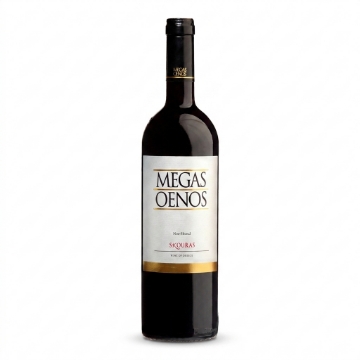 Ktima Skouras Megas Oenos 2020 Red Wine - Agiorgitiko Cabernet Sauvignon Blend 750ml | Protected Geographical Indication Peloponnese, 18-Month French Oak Maturation, High-Altitude Nemea Vineyards
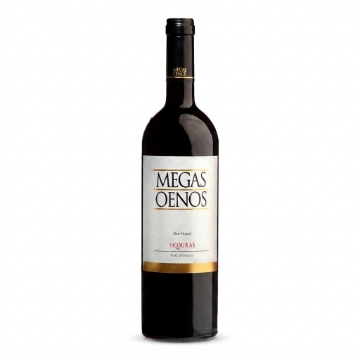 Ktima Skouras Megas Oenos 2014 - Agiorgitiko Cabernet Sauvignon Blend 750ml | PGI Peloponnese, 18 Months French Oak, 10-Year Cellar-Aged Red Wine
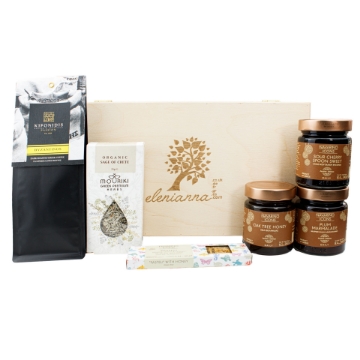 Greek Morning Gift Box – Luxury Breakfast Hamper | Artisanal Greek Coffee, Honey & Tea Set
