7 min read
The Art of Terroir: Exploring Sustainable Luxury in Greek Gastronomy
As Xenophon Liapakis, founder of elenianna, my journey into the heart of Mediterranean gastronomy has always been driven by a profound respect for the Greek ‘Terroir’ and an unwavering commitment to sustainable luxury. With over 15 years of experience, complemented by my certification in Sensory Analysis, I’ve had the privilege of witnessing the extraordinary synergy between ancient traditions, scientific innovation, and eco-conscious production methods that define Greece's premium culinary offerings. This article delves into the exquisite world of luxury Greek gastronomy, highlighting how responsible sourcing and artisanal craftsmanship elevate simple ingredients to an art form.
The Essence of Greek Terroir and Artisanal Craftsmanship
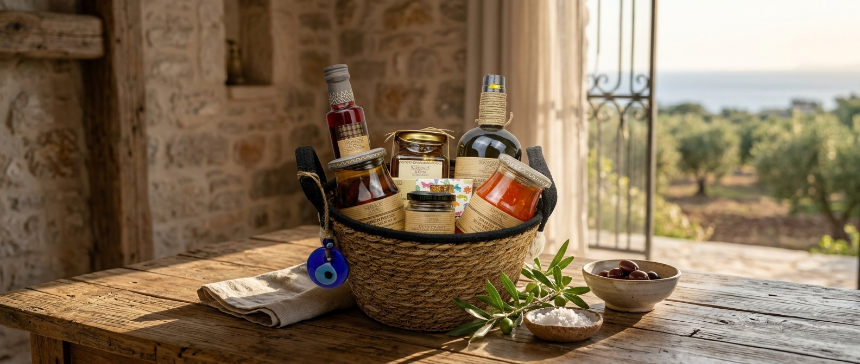
The concept of ‘Terroir’ is central to understanding the depth of Greek gastronomy. It encompasses not just the soil and climate, but also the unique cultural practices and human expertise passed down through generations. Greece's diverse microclimates, from the sun-drenched Peloponnese to the Aegean islands, cultivate an unparalleled biodiversity that yields ingredients with distinctive flavor profiles. This rich natural heritage is meticulously preserved by artisans who prioritize traditional methods over mass production, ensuring that each product carries the authentic essence of its origin. This dedication to provenance and quality is the cornerstone of sustainable luxury, offering not just a product, but a narrative of place and people.
Connecting Land and Legacy: The Artisan's Role
At the heart of Greek luxury gastronomy lies the artisan – a custodian of age-old techniques and a pioneer of modern sustainable practices. These producers are deeply embedded in their communities, understanding that the health of the land directly translates to the quality of their harvest. Their approach often involves minimal intervention, respecting natural cycles, and fostering biodiversity, thereby enhancing the unique characteristics of the Greek landscape. This ethos is particularly evident in the production of Olive Oil, a cornerstone of the Greek diet and a prime example of terroir-driven excellence.
The Liquid Gold of Greece: Unpacking Early Harvest & High-Phenolic Olive Oil
Greek extra virgin olive oil is often referred to as liquid gold, and for good reason. Its unparalleled quality stems from the indigenous Koroneiki olive variety, known for its robust character and high concentration of beneficial compounds. The practice of Early harvest & high-phenolic olive oil production is particularly crucial here. Harvesting olives when they are still green, rather than fully ripe, yields less oil but significantly higher levels of polyphenols and oleocanthal – natural antioxidants with potent anti-inflammatory properties.
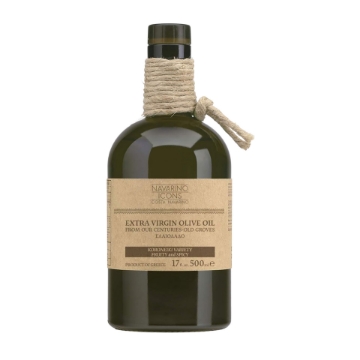
Koroneiki Early Harvest Extra Virgin Olive Oil 500ML: A Benchmark of Quality
Consider the Koroneiki Early Harvest Extra Virgin Olive Oil 500ML. This product exemplifies the pinnacle of Greek olive oil production. Its vibrant green hue, pungent aroma, and peppery finish are hallmarks of its high phenolic content. Scientific research, including studies published in PubMed, consistently highlights the health benefits of such oils, particularly the presence of oleocanthal, which mimics the effects of ibuprofen without the side effects. The European Food Safety Authority (EFSA) also recognizes the health claim that olive oil polyphenols contribute to the protection of blood lipids from oxidative stress, provided certain conditions are met.
Sweet Nectar from Ancient Lands: The Purity of Greek Honey
Beyond olive oil, Greece's diverse flora gives rise to some of the world's most aromatic and flavorful honeys. From the thyme-covered hillsides to the pine forests, each region produces a distinct varietal, reflecting the unique botanical landscape. Greek honey is traditionally harvested with respect for the bee colonies and their natural cycles, often by small-scale beekeepers who prioritize quality over quantity.
Navarino Icons Pure Greek Honey – With Fresh Honeycomb 400g: A Taste of Authenticity
The Navarino Icons Pure Greek Honey – With Fresh Honeycomb 400g | Raw, Unfiltered, Messinian Artisanal Gourmet is a prime example of this dedication. Sourced from the pristine Messinian region, this honey is raw and unfiltered, preserving all its natural enzymes, pollen, and distinctive flavors. The inclusion of fresh honeycomb is not merely a visual delight; it signifies the honey's unprocessed state and offers an unparalleled textural and aromatic experience. The complex floral notes and rich sweetness are a direct reflection of the diverse wild flora of Messinia, a testament to the region's rich biodiversity and sustainable beekeeping practices.
Crystalline Gifts from the Sea: The Art of Greek Sea Salt
The Mediterranean Sea, with its clear waters and abundant sunshine, provides another cornerstone of Greek gastronomy: sea salt. Unlike mined salts, Greek sea salt is typically harvested from natural salt pans using traditional methods that harness the power of the sun and wind. This ancient craft results in pure, unrefined crystals that retain a complex mineral profile, far surpassing the taste and nutritional value of processed table salt.
Fleur de Sel Sea Salt 400g Navarino Icons: The Pinnacle of Purity
The Fleur de Sel Sea Salt 400g Navarino Icons exemplifies this artisanal excellence. Harvested from the surface of salt evaporation ponds, these delicate crystals are known for their flaky texture and nuanced flavor, which enhance, rather than overpower, other ingredients. This 'flower of salt' is painstakingly hand-raked, a labor-intensive process that ensures its pristine quality and rarity. Its use transforms any dish, imparting a gentle salinity and a subtle minerality that speaks of the Aegean breeze and the ancient Greek seas. This commitment to traditional, low-impact harvesting methods underscores the sustainable luxury inherent in Greek culinary traditions.
Beyond the Plate: The Holistic Experience of Greek Luxury
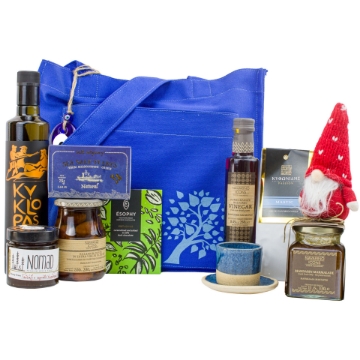
Luxury Greek gastronomy extends beyond edible delights to encompass a complete sensory experience. The philosophy of 'philoxenia' – hospitality – is deeply ingrained, manifesting in everything from table settings to ambient aromas. High-quality products from regions known for their exceptional produce, like those of Cretan Taste, are often presented with an aesthetic flair that celebrates their natural beauty. Furthermore, the commitment to natural, pure ingredients found in our culinary world naturally extends to other areas of artisanal production. For instance, the same appreciation for natural essences and meticulous craftsmanship can be found in our Ceramic & Glass Vessel Candles, designed to enhance the ambiance of a refined dining experience with subtle, authentic fragrances.
Embracing Sustainability Across All Elements
The integration of sustainability is not limited to food production. It extends to packaging, waste reduction, and supporting local communities, ensuring a holistic approach to luxury. This mindful consumption resonates with discerning individuals who seek not just exceptional products, but also ethical and environmentally responsible choices.
Sustainable Practices and the Future of Greek Gastronomy
The future of luxury Greek gastronomy is intrinsically linked to sustainable practices. From supporting small family farms and promoting biodiversity to minimizing carbon footprints, Greek artisans are at the forefront of preserving their culinary heritage for generations to come. This commitment ensures that the authentic flavors and health benefits of Greek ingredients remain accessible, fostering a legacy of both taste and responsibility. The emphasis on transparency in sourcing and production allows consumers to trace the journey of their food from farm to table, reinforcing trust and appreciation for the craftsmanship involved.
Innovations in Eco-Conscious Production
Modern Greek producers are also embracing innovative eco-conscious techniques, such as water-efficient irrigation, organic farming certifications, and renewable energy sources in their facilities. These advancements, combined with deep-rooted traditions, create a dynamic and resilient system that defines sustainable luxury. It's a testament to the fact that excellence and environmental stewardship can, and indeed must, go hand-in-hand.
Conclusion: The Enduring Allure of Greek Gastronomy
Luxury Greek gastronomy offers a profound exploration of taste, tradition, and sustainability. It is a testament to the power of the Greek terroir and the unwavering dedication of its artisans. By choosing products such as the Koroneiki Early Harvest Extra Virgin Olive Oil, Navarino Icons Pure Greek Honey, and Fleur de Sel Sea Salt, one embarks on a culinary journey that not only delights the senses but also supports a sustainable and ethical food ecosystem. As I continue to bridge scientific knowledge with the ultimate luxury taste experience, I invite you to savor the rich tapestry of Greek flavors and embrace a lifestyle where quality, provenance, and sustainability are paramount.
Continue exploring
Deepen your understanding with these curated Elenianna guides.
Frequently Asked Questions
Luxury Greek gastronomy is defined by an unwavering commitment to the unique 'Terroir', artisanal craftsmanship, and sustainable practices. It emphasizes indigenous ingredients, traditional production methods, and scientific understanding of their beneficial properties, offering a profound, authentic, and eco-conscious culinary experience.
Greek artisanal products embody sustainability through respectful cultivation, traditional harvesting techniques, and minimal intervention. Producers prioritize ecological balance, biodiversity, and community support, ensuring long-term environmental health and the preservation of natural resources for future generations.
Greek extra virgin olive oil, especially early harvest varieties like Koroneiki, is rich in polyphenols and oleocanthal. These compounds offer potent antioxidant and anti-inflammatory properties. The European Food Safety Authority (EFSA) recognizes its contribution to protecting blood lipids from oxidative stress, supporting overall cardiovascular health.

Expert Insights by Xenophon Liapakis
As a certified expert in Sensory Analysis with over 15 years in Mediterranean luxury gastronomy, Xenophon Liapakis, founder of elenianna, dedicates his work to unveiling the profound essence of Greek 'Terroir'. He meticulously bridges scientific insights with unparalleled taste experiences to define true culinary luxury.