On the flatland of Nymfes, just inland from Corfu's old town, small orange-gold fruits hang from glossy, dark-leaved trees like lanterns left out after a festival. They are kumquats — tiny, almost toy-like citrus that look sweeter than they taste and taste far more interesting than they look. They were brought to Corfu from China by the British agronomist Merlin, who also gave his name to a famous orange variety, and have been cultivated on this plain since 1924. A century later, that single introduction has become something close to an island identity: the soil, the mild climate and the water of the area particularly benefited the fruit's growth, binding it to Corfu so completely that it was recognised in 1994 as a product with Protected Geographical Indication.
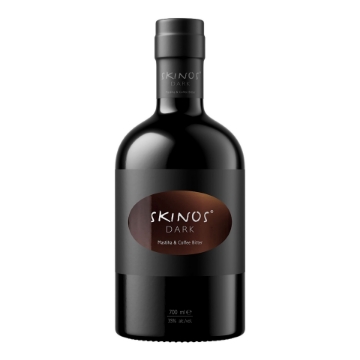
This is the fruit at the heart of the bottle in front of you — only here, it has been given an unexpected companion. Kumquat meets coffee, citrus meets roast, and an island tradition steps into slightly new territory without ever losing its accent.
A Family Memory, Distilled
Behind the label is a very particular person: Konstantinos Lazaris, who founded Lazaris Distillery & Artisan Sweets in 2005, inspired by the legendary Corfiot kumquat tree, pursuing a passion to preserve the gastronomic tradition of the Ionian island. His memory of the fruit is not commercial — it is domestic. He has spoken of childhood summers with his grandparents, of the smell of his grandmother's cooking and the taste of her kumquat jam, which she made herself and spread on hot bread every morning. That early, almost accidental education in flavour is the quiet engine behind everything the distillery now makes. It also explains a certain stubbornness in how the house operates. Lazaris has admitted, with visible regret, that in recent years kumquat liqueur had started to become a somewhat low-quality souvenir, and that his priority — and his team's — has been to give the consumer the real taste of kumquat liqueur. That line matters more than it first appears. It is easy to make a sugary, forgettable bottle with a pretty citrus on the label. It is much harder to make one that a Corfiot grandmother would recognise.
From Peel to Bottle: A Slow, Honest Process
The method has not changed much, deliberately. The traditional liqueur of Corfu is produced by extracting the rare citrus fruit in alcohol, in a way that has been passed down from generation to generation. The kumquats are harvested, cleaned, and left to release their essential oils and colour into the spirit — mostly from the fragrant, slightly bitter peel rather than the sparse flesh, which is where the fruit's real perfume lives. The fruit is cleaned and steeped in alcohol to draw out its vivid colour, aroma and flavor, with a touch of syrup added before the liqueur is filtered and bottled, preserving its bittersweet charm in every drop. For this particular expression, the house then does something it does nowhere else in quite this way: it lets a measure of well-chosen, intensely brewed coffee meet that citrus base. The result is not a flavoured syrup or an afterthought garnish — it is a genuine conversation between two very different aromatic worlds, fruit and roast, bright and dark, held together by the same patient, small-batch approach that defines every bottle leaving this distillery. Everything here is handmade, produced in small batches, with skilled artisans working from traditional Ionian recipes while constantly experimenting with new combinations — and this coffee-infused kumquat liqueur is exactly that kind of experiment: respectful of the past, curious about the present.
What's Actually in the Glass
This is a refined combination of aromas and flavors — fruity, aromatic kumquat meeting the warmth and intensity of premium coffee, resulting in a liqueur with balanced sweetness and a unique depth of flavor. The first impression is citrus: that unmistakable kumquat brightness, slightly bitter at the edges, like orange peel caught in sunlight. Then the coffee arrives underneath it, not overpowering but grounding, adding weight and a gentle roasted warmth that keeps the sweetness from ever feeling one-dimensional. Each sip unveils a rich world of flavors, offering a harmony between fruity notes and roasted aroma — closer to a citrus-laced espresso liqueur than anything resembling a typical fruit cordial. The bittersweet flavor and rich aroma of the fruit are captured in a sleek, modern bottle, built to be enjoyed over crushed ice as an aperitif, served chilled as a digestif, or used as a key ingredient in cocktails.
How to Drink It
- As an aperitif: poured over crushed ice, letting the cold slowly mellow the coffee notes while the citrus stays sharp and awakens the appetite before a meal.
- As a digestif: served chilled, neat, in a small glass at the end of dinner — the traditional Corfiot gesture of closing a meal the way it was closed a century ago, with something sweet, bitter and warming all at once.
- In a cocktail: it slots naturally into anything that would normally call for a coffee liqueur, but brings a citrus lift that plain coffee liqueurs can't offer — try it in place of the usual coffee spirit in an espresso martini, or alongside aged brandy and a little citrus juice for something closer to the island's own signature serves.
- Alongside dessert: it works beautifully as an accompaniment to desserts and sweet treats — a small glass next to dark chocolate, tiramisu, or a plain almond biscuit does more work than any garnish could.
A House That Has Already Proven Its Point
Lazaris didn't set out to make novelty bottles for the souvenir shelf, and the wider world has started to notice. The house's Lazaris Kumquat Liqueur became the first kumquat liqueur to be awarded two stars for quality and taste at the Athens Food Fine Awards 2021, through a blind tasting judged by a panel of experts — a meaningful distinction in a category that, until recently, rarely received that kind of serious attention. It is a quiet validation of the same philosophy that shaped this coffee variation: take a fruit everyone assumes they already know, treat it with real craft, and let the result speak for itself.
Bringing a Piece of Corfu Home
This bottle travels well, both literally and in what it represents. It is small enough to pack carefully and distinctive enough to stand out on a shelf — a 500ml bottle that holds a fruit most people outside Greece have never tasted, prepared in a way that respects both its origin and its potential. Pour it for guests who think they've already tried every liqueur worth trying; watch their expression shift somewhere between the first citrus note and the coffee that follows. That moment of surprise is, in the end, the whole point of bringing something home from Corfu rather than simply remembering it.