7 min read
The Unseen Architect: Greece's Diverse Terroir
The concept of terroir, often associated with viticulture, is equally, if not more, crucial to understanding the nuanced flavors and inherent quality of Greek gastronomic products. Greece is a land of dramatic geographical contrasts, from rugged mountains to sun-drenched islands, each contributing to a remarkable diversity in microclimates and ecosystems. This geological complexity ensures that a single product, like olive oil, can exhibit an astonishing spectrum of profiles depending on its specific origin.Microclimates: Nurturing Unique Flavors
Consider the Peloponnese, a region renowned for its olive groves. Within this peninsula, the Messinian region, for instance, benefits from a unique blend of coastal influence and mountainous protection, creating ideal conditions for the cultivation of the Koroneiki olive variety. The specific altitude, sun exposure, and proximity to the sea all contribute to the olive's phenolic content and aromatic complexity. This precise interplay of environmental factors is what defines the character of truly exceptional Olive Oil.The Legacy of Ancient Cultivation
Beyond the natural elements, human ingenuity and centuries of artisanal wisdom form an integral part of Greece's terroir. Ancient agricultural practices, often passed down through generations, are not merely historical relics but living traditions that actively shape the quality of today’s luxury products. From terraced olive groves that prevent soil erosion to time-honored methods of harvesting, these practices reflect a deep respect for the land and its bounty, ensuring sustainability and unparalleled flavor.The Liquid Gold of Greece: Extra Virgin Olive Oil
No discussion of Greek gastronomy is complete without celebrating its most iconic product: extra virgin olive oil. It is the cornerstone of the Mediterranean diet, revered not only for its culinary versatility but also for its profound health benefits.Koroneiki: A Terroir-Driven Masterpiece
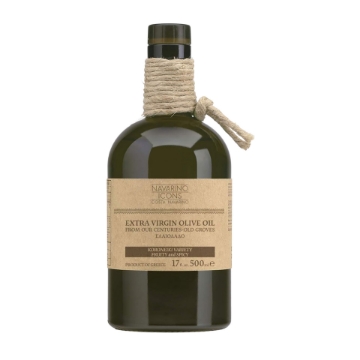
The Koroneiki variety stands as a testament to the power of Greek terroir. Predominantly cultivated in the southern Peloponnese and Crete, it yields an olive oil celebrated for its robust, peppery flavor and remarkably high polyphenol content. When sourced as an Early harvest & high-phenolic oil, such as the Koroneiki Early Harvest Extra Virgin Olive Oil 500ML, it offers an intense sensory experience, characterized by notes of green apple, freshly cut grass, and a delightful bitterness that signals its purity. These oils are typically Single Estate & Monovarietals, ensuring traceability and consistency in quality.The Science of High Phenolics
The health-promoting properties of extra virgin olive oil, particularly those high in polyphenols and Oleocanthal, are well-documented. These compounds act as powerful antioxidants and anti-inflammatory agents. According to the European Food Safety Authority (EFSA), a daily intake of 20g of olive oil containing at least 5 mg of hydroxytyrosol and its derivatives per 20g of olive oil contributes to the protection of blood lipids from oxidative stress. This scientific endorsement underscores the value of seeking out truly high-quality oils.The Art of the Early Harvest
The timing of the olive harvest is critical. An early harvest, conducted when the olives are still green, maximizes the concentration of polyphenols and vibrant aromas. This meticulous process requires greater effort and yields less oil per olive, making these oils more precious. For connoisseurs, exploring different Tasting Sets & Flights can provide an education in the subtle distinctions between regions and varieties, while Refill Tins (EVOO) offer a sustainable way to enjoy these exquisite oils.Nature's Sweetest Gift: Greek Honey
Greek honey is another jewel in the crown of luxury Greek gastronomy, revered since antiquity for its purity and diverse floral notes. The country's unique biodiversity, with thousands of indigenous plants and wildflowers, provides an unparalleled foraging ground for bees.The Floral Tapestry of Messinia
The region of Messinia, a cradle of rich biodiversity, is particularly known for its exceptional honey. Here, bees forage on a medley of thyme, wild herbs, and forest trees, resulting in honeys with distinct aromatic profiles and complex flavors. This specific regional provenance ensures a product that is deeply reflective of its environment.Unfiltered Purity and Nutritional Depth
Products like Navarino Icons Pure Greek Honey – With Fresh Honeycomb 400g | Raw, Unfiltered, Messinian Artisanal Gourmet exemplify the peak of Greek honey production. Its raw, unfiltered nature preserves all the beneficial enzymes, antioxidants, and pollen, offering not just sweetness but also a wealth of natural nutrients. The inclusion of fresh honeycomb further elevates the experience, providing a textural delight and a direct connection to nature's artistry.The Essence of the Aegean: Hand-Harvested Sea Salt
From the sun-drenched coastlines, another elemental treasure emerges: Greek sea salt. Unlike industrially produced salts, traditional Greek sea salt is a testament to the confluence of natural processes and meticulous handcraft.Fleur de Sel: A Delicate Marine Treasure
"Fleur de Sel," or "flower of salt," represents the pinnacle of sea salt quality. Harvested from the surface of salt pans in specific coastal areas, such as those near the Ionian Sea, it forms delicate, crystalline flakes. The Fleur de Sel Sea Salt 400g Navarino Icons is a prime example, offering a softer, more nuanced salinity than common table salt, dissolving beautifully to enhance, rather than overwhelm, the flavors of gourmet dishes. Its unique mineral composition is a direct reflection of the pristine waters from which it is harvested.Ancient Methods, Pristine Quality
The method of harvesting Fleur de Sel is an ancient craft, often requiring specific weather conditions – a gentle breeze and strong sunlight – for the delicate crystals to form. This traditional, labor-intensive process, carried out by skilled artisans, ensures the purity and integrity of the salt, free from additives or industrial processing. This deep connection to craft and provenance is a hallmark of truly luxurious Greek gastronomic items.Elevating the Greek Culinary Experience
Luxury Greek gastronomy is not merely about individual ingredients; it is about the holistic experience they create. It is about understanding the narrative behind each product, the hands that cultivated it, and the land that nurtured it. This appreciation for authenticity and depth extends beyond edible goods, influencing the very ambiance we create around our dining experiences.Beyond the Plate: Craft and Culture
The pursuit of excellence in Greek gastronomy is intrinsically linked to broader cultural expressions. The emphasis on natural materials, sustainable practices, and heritage craftsmanship resonates across various luxury categories. For instance, the same appreciation for authenticity found in Rare & Wild Harvests of herbs or unique Greek wines also informs the selection of artisanal home goods. The regional flavors of Cretan Taste, for example, are not just about food but a way of life. The careful crafting of a traditional Greek meal can be enhanced by the soft glow of elegant Candles or the subtle fragrance of Reed Diffusers & Room Scents, creating an immersive sensory journey. Similarly, the meticulous detail in a well-curated dining setting might include Ceramic & Glass Vessel Candles, embodying the same dedication to quality and design that defines premium foodstuffs.In conclusion, luxury Greek gastronomy is a celebration of purity, provenance, and passion. It is an invitation to explore the profound interplay of nature's bounty and human tradition, yielding products of unparalleled quality and flavor. By understanding and appreciating the Greek terroir, the dedication of its artisans, and the scientific backing of its health benefits, we unlock a deeper, more meaningful culinary experience that truly elevates the senses.Continue exploring
Deepen your understanding with these curated Elenianna guides.
Frequently Asked Questions
In luxury Greek gastronomy, terroir encompasses the unique combination of geographical factors (soil, climate, altitude, microclimates) and human elements (ancient cultivation practices, artisanal traditions) specific to a region. It profoundly influences the distinct flavor, aroma, and quality of products like olive oil, honey, and sea salt, making them truly reflective of their origin.
Early harvest refers to picking olives when they are still green, maximizing their concentration of polyphenols and vibrant aromas. High-phenolic olive oils, often from varieties like Koroneiki, are rich in these beneficial compounds which act as powerful antioxidants. This results in a more robust, peppery flavor and enhanced health properties, as recognized by sources like the European Food Safety Authority (EFSA) for their role in protecting blood lipids from oxidative stress.
Greek artisanal honey achieves luxury status through its provenance, purity, and unique flavor profile. Regions like Messinia offer rich biodiversity, allowing bees to forage on diverse wildflowers and herbs. The honey is typically raw and unfiltered, preserving its natural enzymes, antioxidants, and pollen. This meticulous production and the resulting complex, nuanced flavors, often with fresh honeycomb, distinguish it as a gourmet product deeply connected to its natural environment.

Expert Insights by Xenophon Liapakis
With over 15 years of experience and a certification in Sensory Analysis, Xenophon Liapakis specializes in the intricate interplay of Greek terroir and luxury gastronomy. As Founder of elenianna, his mission is to elevate the understanding and appreciation of Greece's finest epicurean treasures.