6 min read
The Soul of Greek Gastronomy: Terroir and Time-Honored Traditions
The cornerstone of luxury Greek gastronomy lies in its unparalleled ingredients, shaped by Greece's diverse microclimates, fertile lands, and a culinary history spanning millennia. The concept of 'Terroir'—the unique environmental factors that influence a crop's characteristics—is profoundly expressed in Greek produce, from the aromatic herbs of the Aegean islands to the robust olives of the Peloponnese. Indigenous varietals, often protected by designations of origin, ensure the authenticity and distinctiveness of these foundational elements. Understanding these origins is the first step toward appreciating the true depth of Greek flavors.The Golden Nectar: The Unparalleled Value of Greek Olive Oil
At the heart of Greek cuisine, and indeed its luxury expression, is Olive Oil. Greece produces some of the world's finest extra virgin olive oils, which are far more than just cooking fats; they are liquid gold, brimming with flavor and health benefits. Connoisseurs seek out Early harvest & high-phenolic varieties, renowned for their intense fruity notes, peppery finish, and high concentration of beneficial compounds like oleocanthal and polyphenols. According to studies published on PubMed, the presence of oleocanthal in extra virgin olive oil has been linked to anti-inflammatory properties similar to ibuprofen. These oils are integral to the Mediterranean diet, lauded globally for its health advantages. For the discerning palate, the distinction between Single Estate & Monovarietals and expertly crafted Signature Blends is critical. A single estate Koroneiki oil, for instance, offers a pure expression of a specific olive cultivar from a distinct location, while a signature blend might combine different varietals to achieve a complex, balanced flavor profile perfect for particular culinary applications. Exploring these nuances, perhaps through carefully selected Tasting Sets & Flights, allows one to appreciate the intricate world of Greek olive oil, enhancing every gourmet dish.Elevating the Plate: Michelin-Star Techniques at Home
Luxury Greek gastronomy extends beyond raw ingredients to the artistry of preparation and presentation. While the soul of the cuisine remains authentic, the application of sophisticated techniques can elevate dishes to Michelin-star standards right in your home kitchen. This involves precise cooking methods, an understanding of flavor layering, and an aesthetic appreciation for plating that transforms a meal into a visual and sensory masterpiece.Artisanal Delights: Beyond the Main Course
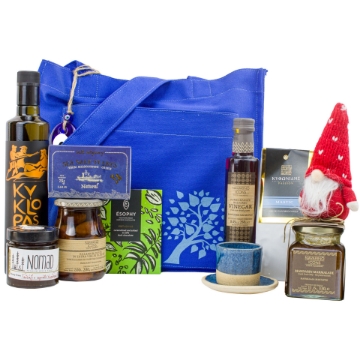
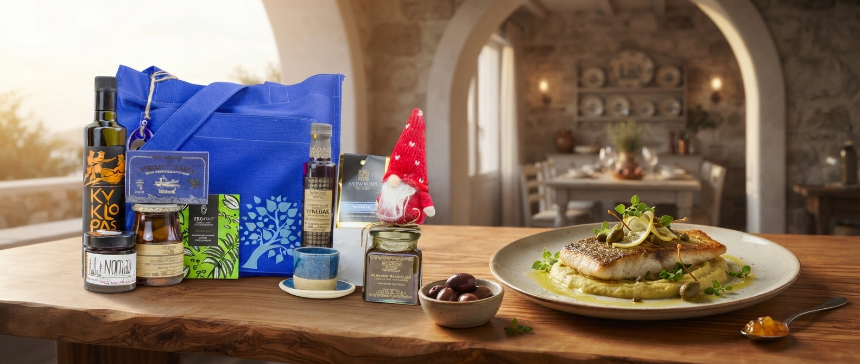
Luxury Greek gastronomy encompasses a spectrum of refined edibles, not solely focused on main courses. Think of exquisite artisanal cheeses, meticulously prepared preserves, rare honeys, and unique antipasti. A well-curated selection, such as those found in a "Luxury Greek Food and Tote Bag Gift Set - Authentic Greek Delicacies in a Stylish Tote Bag", can provide a complete gourmet experience. This set might feature rare honeys, premium olive pastes, and sun-dried fruits, each telling a story of its origin. Emphasizing products with distinct regional provenance, such as those embodying the rich culinary heritage of Cretan Taste, ensures an authentic and unparalleled flavor journey, reflecting Greece's diverse gastronomic landscape.The Art of Connoisseurship: Pairing and Presentation
True luxury dining is a holistic experience, where every element—from the aroma to the texture, from the pairing of flavors to the visual appeal—contributes to an unforgettable moment. Pairing fine Greek gourmet foods with complementary beverages, be it a sophisticated Greek wine or a handcrafted non-alcoholic elixir, is an art form that enhances the intrinsic qualities of each component.Gourmet Gifting: Sharing the Hellenic Experience
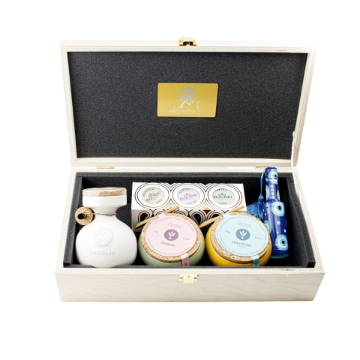
Sharing the gift of luxury Greek gastronomy is an expression of refined taste and appreciation. Curated selections of artisanal foods make exceptional gifts, allowing recipients to embark on their own culinary journey through Hellenic flavors. The "Luxury Greek Gourmet Gift Box – Artisanal Food Hamper" offers a beautifully presented assortment of premium products, while a "Mini Luxury Wooden Food Gift Authentic Greek Flavors" provides a charming introduction to these delicacies. These gifts are not merely presents; they are invitations to explore new tastes and celebrate a rich cultural heritage. Such sets often include small quantities of diverse items, encouraging exploration and discovery, much like an expert guiding a tasting session.The Role of Authentic Ingredients: Provenance and Quality
The unwavering commitment to provenance and quality is paramount in luxury Greek gastronomy. This means understanding not just where an ingredient comes from, but also the specific methods of its cultivation, harvesting, and processing. Consider, for example, the world-renowned Krokos Kozanis PDO saffron, hand-picked and carefully processed, or the unique mastiha from Chios, revered for its aromatic and medicinal properties. These are not merely ingredients; they are cultural treasures.The Scent of Luxury: Complementary Experiences
A truly luxurious dining experience extends beyond the palate. It engages all senses. The ambiance created by fine linens, elegant tableware, and subtle background aromas from high-quality home fragrance elements can profoundly enhance the overall dining pleasure. Exquisite Candles, particularly those in sophisticated Ceramic & Glass Vessel Candles, or elegant Reed Diffusers & Room Scents, can infuse the dining space with delicate, complementary fragrances that elevate the entire atmosphere, turning a meal into a complete sensory indulgence. This holistic approach underscores the essence of true luxury, where every detail is thoughtfully considered.The Future of Greek Luxury: Innovation Meets Heritage
Luxury Greek gastronomy is a dynamic field, constantly evolving while remaining deeply rooted in its heritage. Producers and chefs are continuously innovating, applying modern culinary science to ancient recipes, and exploring sustainable practices that honor the land. Institutions like the University of Athens often conduct research on the nutritional benefits and unique characteristics of Greek olive oil and other indigenous products, reinforcing the scientific backing behind traditional wisdom. This blend of innovation and steadfast respect for tradition ensures that Greek luxury gastronomy will continue to captivate discerning palates worldwide, offering not just meals, but experiences that resonate with depth, history, and unparalleled taste. It is a testament to Greece's enduring legacy as a cradle of culture and culinary excellence.Continue exploring
Deepen your understanding with these curated Elenianna guides.
Frequently Asked Questions
Luxury Greek gastronomy elevates traditional ingredients and recipes through refined culinary techniques, meticulous sourcing, and sophisticated presentation, often incorporating scientific understanding of nutritional benefits and 'Terroir'. It focuses on artisanal, often single-origin products and gourmet pairings, moving beyond rustic charm to a refined dining experience.
High-quality Greek extra virgin olive oil is often labeled as "early harvest" or "high-phenolic," indicating a rich concentration of beneficial compounds like oleocanthal. Look for PDO (Protected Designation of Origin) or PGI (Protected Geographical Indication) certifications, specific varietal names (e.g., Koroneiki), and details about acidity levels, typically below 0.8%. Tasting notes should include peppery, bitter, and fruity elements.
Beyond exceptional extra virgin Olive Oil, a gourmet Greek kitchen should feature artisanal honeys from specific regions (e.g., thyme honey from Crete), rare spices like saffron from Kozani, aged Feta PDO or other unique Greek cheeses, sun-dried tomatoes, and high-quality wild herbs like oregano and mountain tea. These foundational ingredients allow for authentic and elevated Greek culinary creations.

Expert Insights by Xenophon Liapakis
With over 15 years of experience in Mediterranean gastronomy and a certification in Sensory Analysis, Xenophon Liapakis specializes in highlighting the Greek 'Terroir'. As Founder of elenianna, his mission is to bridge scientific knowledge with the ultimate luxury taste experience.