
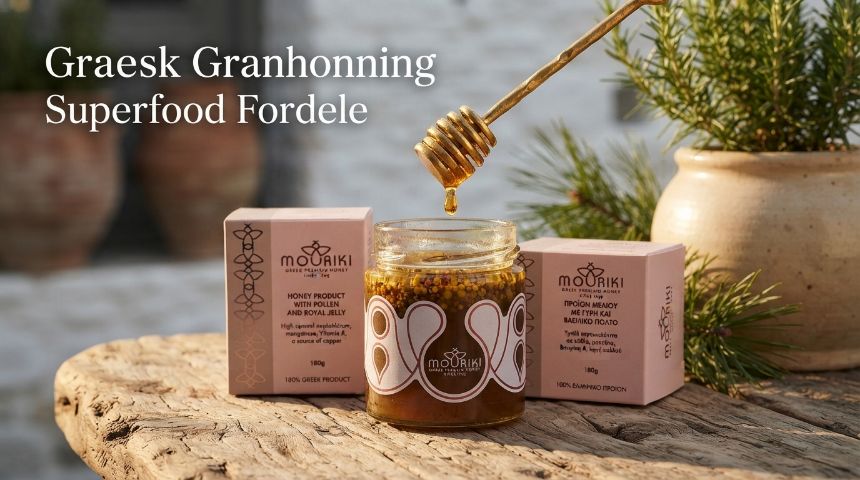
9 min read
The journey of Greek Pine Honey begins deep within the country's extensive pine forests, particularly in regions like Chalkidiki, Thassos, and the Peloponnese. Here, specific aphid species like Marchalina hellenica thrive, feeding on the sap of pine trees and secreting a sweet honeydew. Bees then diligently collect this honeydew, transforming it into the distinctive pine honey. This unique process, rather than direct nectar collection, results in a honey that is typically darker, less prone to crystallization, and possesses a unique mineral-rich composition. The purity of these forests, often untouched by industrial pollution, contributes significantly to the honey's exceptional quality and taste. The beekeepers, often employing traditional methods passed down through generations, ensure sustainable practices that respect both the bees and the delicate ecosystem.
The Genesis of Greek Pine Honey: A Terroir-Driven Delicacy
The essence of Greek Pine Honey is inextricably linked to its unique origins, a true reflection of the Greek 'Terroir.' Unlike floral honeys that draw nectar directly from blossoms, pine honey is a 'honeydew honey.' This distinction is crucial to its character. The primary source for Greek pine honey is the honeydew excreted by the scale insect Marchalina hellenica, which lives on specific species of pine trees, notably the Aleppo pine (Pinus halepensis) and Turkish pine (Pinus brutia). This symbiotic relationship between insect, tree, and bee is a marvel of natural engineering, culminating in a honey with a unique signature.
Unique Botanical Origins and Geographical Markers
Regions like Arcadia in the Peloponnese, known for its dense pine forests, are particularly celebrated for their pine honey production. The microclimates and biodiversity of these areas imbue the honey with a distinct aromatic complexity. The resulting honey is characterized by its deep amber color, moderate sweetness, and subtle woody, malty, and resinous undertones. These flavor nuances are a direct consequence of the specific tree species, the local flora that influences the sap composition, and the environmental conditions prevalent in these ancient landscapes. Such specificity allows us to appreciate the true provenance of products, similar to how one might discern the regional notes in a fine Olive Oil.
The Art of Beekeeping: Traditional Methods for Superior Quality
Greek beekeepers, often working with generations of inherited knowledge, play a pivotal role in maintaining the integrity and superior quality of pine honey. Their methods are typically low-impact and sustainable, prioritizing the health of the bee colonies and the forest ecosystem. The careful timing of harvests, often occurring from late summer to autumn, ensures that the honey has reached optimal maturity and concentration. This dedication to traditional craft is what separates mass-produced products from truly artisanal offerings, echoing the careful curation found in our selections of Rare & Wild Harvests honeys.
Unveiling the Nutritional Powerhouse: Greek Pine Honey’s Superfood Status
Beyond its captivating flavor, Greek Pine Honey is lauded for its impressive nutritional profile, earning its superfood designation. It is far more than a simple sweetener; it is a complex natural product brimming with beneficial compounds.
Key Bioactive Compounds and Their Wellness Impact
Research has consistently highlighted the rich composition of honeydew honeys. Greek Pine Honey is notably high in antioxidants, polyphenols, and minerals. According to a study published in the journal Food Chemistry by researchers from the Aristotle University of Thessaloniki, Greek pine honey contains a significant concentration of phenolic compounds and flavonoids, contributing to its strong antioxidant capacity. These compounds are crucial for combating oxidative stress in the body. Furthermore, it is a good source of essential minerals like potassium, calcium, magnesium, and phosphorus, often in higher concentrations than floral honeys. The presence of oligosaccharides also contributes to its potential prebiotic properties, supporting gut health. Our Pure Mouriki Pine Honey 300g - Natural Sweetener, Greek Superfood exemplifies these benefits, offering a natural and wholesome addition to any diet.
Comparing Pine Honey to Other Varietals: A Distinct Nutritional Profile
While all natural honeys offer health benefits, pine honey stands out. It generally has a lower glucose content, which means it crystallizes slower and has a slightly lower glycemic index compared to some floral honeys. Its mineral content, particularly manganese and potassium, is often superior. For instance, products like our Mouriki Royal Honey – Oak Honey with Bee Pollen & Royal Jelly | 180g Raw Greek Superfood, High Manganese & Potassium, Lab-Tested Immune Support, though an oak honey, showcases how specific Greek honeys are prized for their unique mineral and superfood enhancements, providing targeted immune support and a robust nutritional boost.
Elevating the Culinary Experience: Gourmet Pairings with Greek Pine Honey
Greek Pine Honey's unique flavor profile—less cloyingly sweet, with notes of resin, wood, and sometimes even a hint of tobacco—makes it an exceptionally versatile ingredient in gourmet cuisine. It offers a sophisticated depth that can transform both savory and sweet dishes.
From Savory to Sweet: Michelin-Inspired Applications
Imagine a drizzle of Greek Pine Honey over a rich, aged Graviera cheese, its complex flavors intertwining beautifully. This honey acts as a phenomenal counterpoint to robust cheeses, fatty meats, and even certain vegetables. For a Michelin-inspired home dining experience, consider it as a glaze for slow-roasted pork belly or duck breast, where its subtle resinous notes complement the richness of the meat. It can also be incorporated into vinaigrettes for green salads, particularly those featuring bitter greens like radicchio or endive, balancing their sharpness with its earthy sweetness. Similarly, an Early harvest & high-phenolic olive oil can provide a complementary peppery note in such sophisticated culinary applications.
Innovative Dessert Creations and Breakfast Rituals
While often associated with savory pairings, Greek Pine Honey also shines in desserts. It can be used to sweeten Greek yogurt, often served with walnuts, or incorporated into more elaborate pastries. Its moderate sweetness allows other flavors to come forward. For a truly authentic Greek breakfast, try it drizzled over our Oat & Rye Paximadi Rusks 300g – Wood-Fired & Salt-Free, perhaps with a sprinkle of cinnamon and a dollop of fresh ricotta. This simple yet profound combination highlights the honey's natural purity and texture. It also pairs wonderfully with strong coffee or herbal teas, offering a refined alternative to conventional sugars. Exploring the diverse range of these gastronomic elements truly defines the Cretan Taste, bringing forth authentic regional flavors.
The Elixir of Wellness: Incorporating Greek Pine Honey into a Holistic Lifestyle
Beyond its role in gourmet cooking, Greek Pine Honey has a long history of being valued for its perceived wellness properties in traditional Greek culture. Modern science is beginning to confirm many of these ancient insights.
Beyond the Plate: Ancient Remedies and Modern Wellness
Historically, honey in Greece was not merely food but also a traditional remedy, used for everything from soothing sore throats to aiding in wound healing. While we focus on its culinary applications, it's worth noting its traditional role as a natural, soothing agent. Its antiseptic and anti-inflammatory properties, often attributed to its unique composition, contribute to its holistic appeal. In a broader sense, natural ingredients like honey have also found their way into premium natural products, offering benefits in areas like Vegan Skincare, where their restorative properties are harnessed.
Supporting Immune Health: The Synergistic Benefits
The combination of antioxidants, minerals, and potential antimicrobial properties makes Greek Pine Honey a valuable addition to an immune-supporting diet. While not a cure, regular consumption can contribute to overall well-being. For a magnified immune boost, exploring products enriched with additional superfoods is beneficial. For example, our Mouriki Royal Honey – Oak Honey with Bee Pollen & Royal Jelly | 180g Raw Greek Superfood, High Manganese & Potassium, Lab-Tested Immune Support offers a synergistic blend designed specifically to fortify the body’s natural defenses, showcasing the power of combining nature’s finest ingredients.
Sourcing Excellence: What Defines Premium Greek Pine Honey
For the discerning palate and the health-conscious consumer, understanding the hallmarks of premium Greek Pine Honey is paramount. Purity, provenance, and ethical production practices are key indicators of quality.
Understanding Provenance and Purity
The best Greek Pine Honey comes from specific, often remote, forested areas known for their pristine environment. Look for indications of single-origin sourcing, much like one would seek a Single Estate & Monovarietals olive oil. Reputable producers will often provide lab analyses confirming the honey's botanical origin, purity, and nutritional composition. Transparency in sourcing and processing is a hallmark of excellence.
The Elenianna Philosophy: Bridging Science and Sensorial Luxury
At elenianna, our mission is to bridge scientific knowledge, such as the beneficial properties of polyphenols and Oleocanthal in olive oils, with the ultimate luxury taste experience. This philosophy extends to our selection of honeys, including Greek Pine Honey. We seek out producers who adhere to rigorous quality standards, ensuring that every spoonful delivers not only exquisite flavor but also the authentic benefits that nature intended. This commitment ensures that our offerings, from fine honeys to handcrafted Ceramic & Glass Vessel Candles, embody the highest standards of quality and sensory delight.
Beyond Culinary: The Broader Mediterranean Context of Honey
Honey's significance in Greek culture extends far beyond the kitchen. It is woven into the fabric of history, tradition, and everyday life.
Honey's Role in Traditional Greek Cuisine and Culture
Honey has been a cornerstone of the Greek diet and culture for millennia. Ancient Greeks considered it the
Continue exploring
Deepen your understanding with these curated Elenianna guides.
Frequently Asked Questions
Greek Pine Honey is considered a superfood due to its unique nutritional profile, which is typically rich in antioxidants, polyphenols, and essential minerals such as potassium and manganese. It also contains beneficial oligosaccharides with potential prebiotic properties, all contributing to its overall health-promoting qualities.
Greek Pine Honey has a distinct flavor profile that is less sweet than floral honeys, often featuring subtle woody, malty, and resinous undertones. Its texture is typically thicker and less prone to crystallization due to a lower glucose content, offering a unique sensory experience.
Greek Pine Honey is incredibly versatile in gourmet cuisine. It pairs exceptionally well with robust cheeses, acts as a luxurious glaze for roasted meats like duck or pork, and can be incorporated into sophisticated salad dressings. For desserts, it elevates Greek yogurt with nuts, enhances pastries, or can be simply drizzled over rusks for a refined breakfast.

Expert Insights by Xenophon Liapakis
With over 15 years of experience in Mediterranean gastronomy and a certification in Sensory Analysis, Xenophon Liapakis specializes in highlighting the Greek 'Terroir.' As Founder of elenianna, his mission is to bridge scientific knowledge with the ultimate luxury taste experience.
Explore Elenianna Treasures
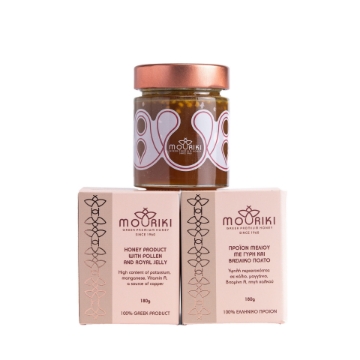 Mouriki Royal Honey – Oak Honey with Bee Pollen & Royal Jelly | 180g Raw Greek Superfood, High Manganese & Potassium, Lab-Tested Immune Support
 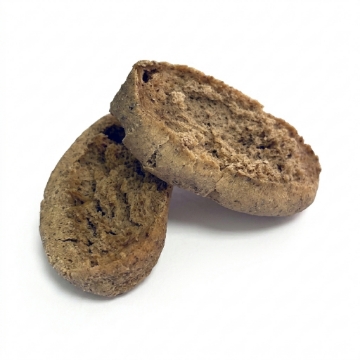 Oat & Rye Paximadi Rusks 300g – Wood-Fired & Salt-Free
 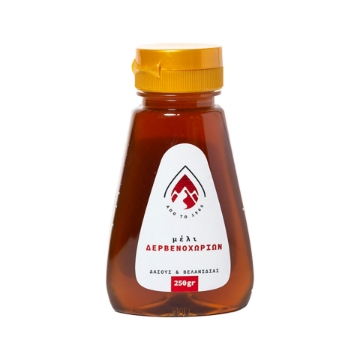 Mourikis Squeeze Forest Oak Honey 250g - Pure Natural Delight
 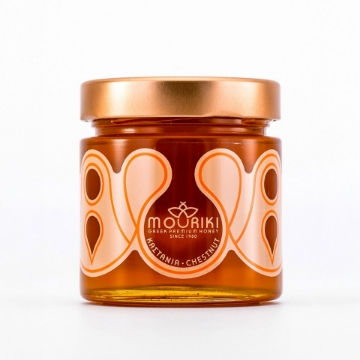 Premium Mouriki Chestnut Honey 300gr - Natural, Pure & Delicious