7 min read
In the realm of Mediterranean gastronomy, few elements capture the essence of a land quite like its traditional spirits. Greece, a nation steeped in ancient history and blessed with diverse microclimates, offers a liquid heritage that extends far beyond its celebrated wines and olive oils. As a connoisseur with over 15 years in luxury Mediterranean gastronomy and certified in Sensory Analysis, my focus is always on the profound influence of 'Terroir' – the unique combination of soil, climate, and tradition – on the final product. This deep dive into traditional Greek spirits will uncover how this intrinsic connection to the land and time-honored artisanal methods culminate in exquisite distillates and liqueurs, each telling a story of its origin.
The Essence of Greek Terroir in Spirits
The concept of 'Terroir' is not exclusive to viticulture; it is equally vital in understanding the complexity and distinctiveness of traditional Greek spirits. Terroir encompasses the climate, the geological composition of the soil, the indigenous botanicals that thrive in specific regions, the quality of the water sources, and crucially, the ancestral knowledge of distillation passed down through generations. These elements converge to impart unique characteristics to spirits, making each sip a geographical and cultural revelation.
Just as the nuanced profiles of Single Estate & Monovarietals of olive oil reveal distinct regional characteristics, so too do Greek spirits reflect their specific microclimates. From the sun-drenched islands to the rugged mountains of the mainland, the raw materials – be it grapes, anise, or rare mastic resin – absorb the essence of their surroundings. The precise temperature fluctuations, the mineral content of the soil, and even the sea breeze contribute to the aromatic compounds and flavor spectrum that define these beverages. This dedication to expressing the land's identity is a hallmark of true artisanal craftsmanship.
Ouzo: An Anise-Kissed Legacy
Perhaps the most globally recognized Greek spirit, Ouzo is more than a drink; it is a ritual, a symbol of Greek hospitality. Its history is intertwined with the Ottoman Empire's influence and the subsequent evolution of distillation techniques in Greece. Ouzo is an anise-flavored spirit distilled from pure alcohol, often with a base of grape alcohol, and infused with a proprietary blend of botanicals such as fennel, mastic from Chios, coriander, and other aromatic seeds. The most celebrated Ouzos, often bearing a Protected Geographical Indication (PGI), hail from regions like Plomari on Lesvos, renowned for their specific botanical profiles and meticulous distillation processes in traditional copper stills.
When water is added to Ouzo, it transforms into a milky-white emulsion – a phenomenon known as the 'louche effect' – as the essential oils of anise become insoluble. This visual transformation precedes a sensory journey, typically accompanied by an array of meze. The communal enjoyment of Ouzo with small plates of appetizers is a cornerstone of Greek social life, reflecting the shared pleasure found in a carefully curated dining experience, much like selecting a premium Classic EVOO (Curated Classics) to elevate a meal.
Tsipouro & Raki: The Spirit of the Vine
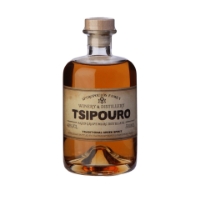
Tsipouro and its Cretan counterpart, Raki (or Tsikoudia), are powerful pomace brandies, embodying the resourceful spirit of Greek winemaking traditions. These spirits are born from the distillation of the grape marc – the skins, seeds, and stems left over after grapes are pressed for wine. While Ouzo's flavor is primarily defined by anise, Tsipouro and Raki celebrate the pure, unadulterated essence of the grape varietal and the terroir from which it originates.
Tsipouro is widely produced across mainland Greece, with notable regional variations from Thessaly, Epirus, and Macedonia, each offering distinct aromatic profiles influenced by local grape types and traditional practices. Some Tsipouro may include anise, but the traditional, clear variety is a powerful expression of the distilled grape pomace. In Crete, Tsikoudia (Raki) is deeply woven into the fabric of daily life and hospitality, often produced through a single distillation, resulting in a robust and aromatic spirit. A study conducted by the University of Ioannina's Department of Chemistry, investigating the volatile compounds in traditional Tsipouro, highlighted the complex interplay of grape varietals and distillation techniques that contribute to its distinctive aromatic profile, underscoring the scientific basis of this artisanal craft.
The Art of Distillation
The distillation process for Tsipouro and Raki is often a communal event, especially in rural areas, preserving ancient customs. It involves carefully heating the grape marc in copper stills, capturing the vapor, and condensing it back into a potent liquid. The skill lies in separating the desirable 'heart' of the distillate from the less desirable 'heads' and 'tails' to achieve a smooth, pure spirit. This meticulous process ensures a quality comparable to that found in the production of the finest Greek EVOO, where every step from harvest to pressing is critical.
Mastiha: The Aromatic Treasure of Chios
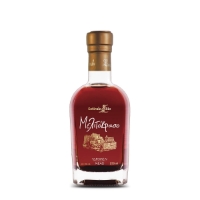
Among Greece's most unique spirits is Mastiha, an aromatic liqueur produced exclusively from the resin of the mastic tree (Pistacia lentiscus var. chia) found only on the island of Chios. This resin, colloquially known as 'Mastic Tears,' has been harvested for millennia, earning it a Protected Designation of Origin (PDO) status. The meticulous process of scoring the tree bark to collect the resin is a labor-intensive tradition passed down through generations, making Mastiha not just a spirit, but a cultural artifact.
The production of Mastiha liqueur typically involves either the maceration or distillation of this precious resin in alcohol. The resulting spirit possesses a truly distinctive flavor profile – earthy, subtly piney, with hints of cedar and a clean, refreshing finish. Beyond its unique taste, Mastiha has been traditionally valued for its perceived health benefits. According to a systematic review published in PubMed Central on the pharmacological effects of mastic gum, it has been traditionally used for its digestive and antimicrobial properties, making it a popular digestif, served chilled and neat.
Kumquat Liqueur: Corfu's Golden Elixir
The island of Corfu, with its lush landscapes and Venetian charm, is home to another distinctive Greek spirit: Kumquat Liqueur. The kumquat fruit, a small, vibrant citrus with an edible peel, was introduced to Corfu from Asia in the 19th century. The island's mild climate and fertile soil proved ideal for its cultivation, and the kumquat quickly became a local specialty.
Corfu's Kumquat Liqueur is produced by macerating the whole kumquat fruit (or its peel) in alcohol, allowing the spirit to absorb the fruit's intense zest, sweet-tart flavor, and distinctive aroma. The resulting liqueur is bright orange, sweet, and wonderfully aromatic, often enjoyed as a digestif or used in cocktails. It represents the successful integration of a non-indigenous botanical into the rich tapestry of Greek gastronomic traditions, much like how various botanicals are expertly composed in certain Blends (Expertly Composed) of infused oils.
Beyond the Bottle: Pairing & Cultural Significance
Traditional Greek spirits are intrinsically linked to the country's social fabric and culinary traditions. They are not merely beverages but vehicles for hospitality, celebration, and communal connection.
The Meze Culture
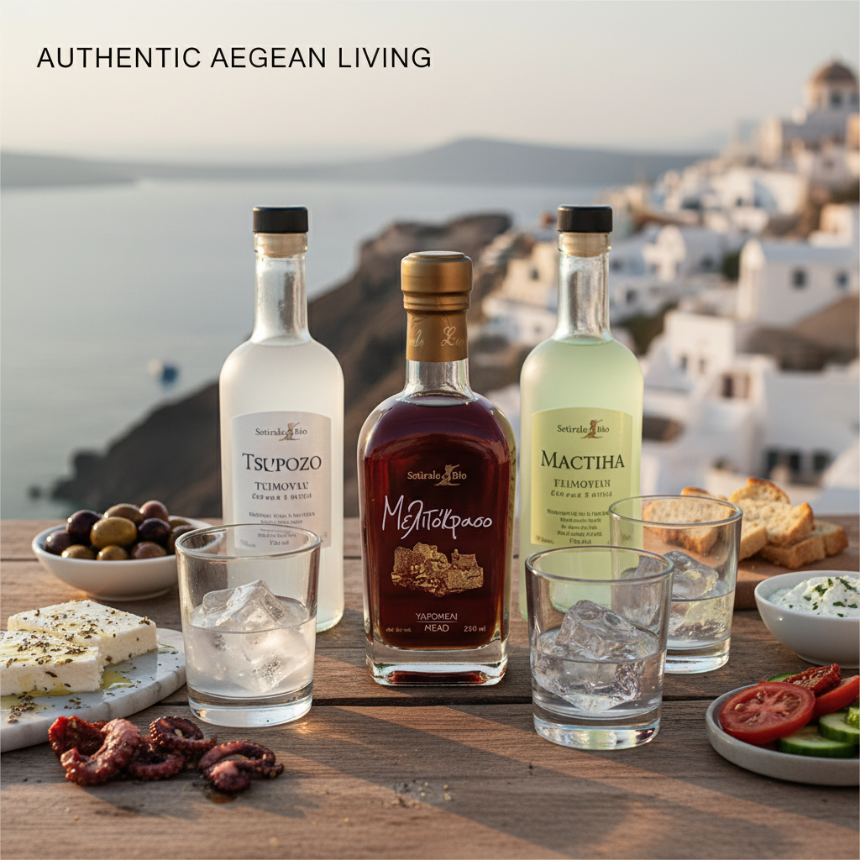
The enjoyment of spirits like Ouzo and Tsipouro is inseparable from the Greek meze culture. These small, flavorful dishes – from olives and cheeses to seafood and cured meats – are designed to complement and enhance the drinking experience, encouraging slow, convivial consumption. Just as a perfectly balanced meal incorporates a premium High-Phenolic EVOO for its robust flavor and beneficial compounds, a Greek spirits experience is enhanced by the thoughtful selection of accompanying meze. Our selection of Olives and Olive Paste offers an ideal starting point for such a traditional pairing.
Hospitality and Gifting
Offering a shot of Tsipouro or a glass of Mastiha to guests is a profound gesture of Greek hospitality, a welcoming embrace that transcends language. These spirits, meticulously crafted and deeply rooted in local identity, make for exceptional gifts. Exploring these spirits offers an 'Experience & Gifting' opportunity, much like our curated Tasting Sets & Flights for olive oils, designed to immerse one in authentic Greek flavors and traditions. The same commitment to excellence and authentic taste found in our Organic BIO EVOO is reflected in the quality of these time-honored spirits.
Conclusion
Traditional Greek spirits are far more than alcoholic beverages; they are liquid narratives of Greece's rich history, diverse landscapes, and unwavering commitment to artisanal quality. From the anise-laden embrace of Ouzo to the pure grape essence of Tsipouro and the unique botanical magic of Mastiha, each spirit offers a luxurious journey through Greek terroir and tradition. As a founder dedicated to bridging scientific knowledge with ultimate taste, I believe these spirits embody the very soul of Greek gastronomy, inviting the world to savor their complex flavors and profound cultural significance.
Frequently Asked Questions
Ouzo is an anise-flavored spirit distilled from pure alcohol, often with a base of grape alcohol, creating its characteristic "louche" effect when water is added. Tsipouro, conversely, is a pomace brandy made from the distillation of grape must remnants after winemaking, typically without anise, although some regional varieties may include it.
While traditional Greek spirits are primarily enjoyed for their cultural and social aspects, some ingredients, like Chios Mastiha, have been studied for potential digestive properties, as noted in publications like PubMed Central. However, all alcohol should be consumed in moderation as part of a balanced lifestyle, similar to appreciating the polyphenols in High-Phenolic EVOO without overconsumption.
Mastiha is typically served chilled, often neat, as a digestif. Tsipouro can be enjoyed neat, chilled, or at room temperature, often accompanied by meze (small savory dishes), particularly varieties without anise. Ouzo is famously mixed with water and ice, turning milky, and always paired with a selection of meze for a true Greek experience.

Expert Insights by Xenophon Liapakis
With over 15 years of experience in Mediterranean gastronomy, Xenophon Liapakis holds a certification in Sensory Analysis and specializes in the profound influence of Greek 'Terroir'. As Founder of elenianna, his expertise bridges scientific knowledge with the ultimate luxury taste experience, particularly in high-quality Greek products.