
8 min read
The interplay of flavors, textures, and aromas can elevate a simple indulgence into an unforgettable journey. From the sun-drenched vineyards of the Peloponnese to the meticulous crafting of single-origin cacao, every element contributes to a narrative of place and passion. Understanding these nuances is key to unlocking truly synergistic pairings, transforming an everyday treat into a sophisticated ritual.
The Art of Terroir: Bridging Wine and Chocolate
Terroir, a concept deeply ingrained in Greek winemaking and increasingly recognized in fine chocolate production, refers to the complete natural environment in which a particular wine or food is produced, including factors such as the soil, topography, and climate. For Greek wines, the diverse microclimates—from the mountainous plateaus of Nemea to the coastal breezes of Corinthia—impart distinct characteristics to our indigenous grape varietals. Similarly, the origin of cacao beans, whether from the volcanic soils of Ecuador or the rainforests of Madagascar, dictates the chocolate's fundamental flavor profile.
When approaching wine and chocolate pairing, one must consider how these environmental factors manifest in the final product. A high-altitude vineyard might yield grapes with higher acidity and floral notes, mirroring a chocolate derived from beans grown in similar pristine conditions. The very essence of the land, its sun, its rain, and its unique microbial life, finds expression in every sip and every bite, demanding a thoughtful and respectful approach to pairing.
Understanding Chocolate: A Journey Through Cacao's Nuances
Chocolate, far from being a monolithic entity, is a spectrum of flavors defined by its cacao percentage, origin, fermentation, roasting, and conching processes. Dark chocolates (70% cacao and above) typically offer intense, complex notes ranging from earthy and woody to fruity, spicy, and even floral. Milk chocolates, with their added dairy and sugar, present a creamier, sweeter profile, often with caramel or nutty undertones. White chocolate, containing no cacao solids, relies on cacao butter for its rich, delicate characteristics.
Cacao Origin and Flavor Profiles
The geographical origin of cacao beans significantly influences their taste. For instance, single-origin chocolates from Venezuela might exhibit notes of nuts and caramel, while those from Madagascar could lean towards red berries and citrus. Understanding these inherent flavor complexities is paramount. A chocolate with bright, acidic fruit notes demands a wine that can either complement or contrast without clashing, ensuring neither element overwhelms the other. The textural elements—whether a chocolate is smooth and melting, or firm with a gentle snap—also play a crucial role, influencing the mouthfeel alongside the wine.The Spectrum of Greek Wines: From Ancient Varietals to Modern Elegance
Greece boasts a winemaking heritage stretching back millennia, offering an extraordinary array of indigenous grape varietals, each with a unique voice. From the aromatic Moschofilero of Mantinia to the robust Agiorgitiko of Nemea, Greek wines present a diverse palate for exploration.
Key Greek Varietals for Pairing
- Agiorgitiko: Known for its deep red color, soft tannins, and notes of red fruits (cherry, plum), often with a hint of spice. It is the signature grape of Nemea, Peloponnese, a region celebrated for its Protected Designation of Origin (PDO) wines.
- Moschofilero: A highly aromatic white grape from Mantinia, producing crisp, floral wines with hints of rose, citrus, and sometimes a slight spice. Often used for elegant sparkling wines.
- Malagousia: A resurrected varietal producing full-bodied, aromatic white wines with notes of peach, pear, jasmine, and exotic fruits.
- Chardonnay: While international, when cultivated in Greek terroir, it develops unique characteristics, often benefiting from French oak aging, adding complexity and richness.
These varietals, shaped by the Greek sun and soil, offer a rich tapestry of flavors, making them ideal companions for a wide range of chocolates. The judicious selection of a Greek wine can truly elevate a chocolate experience, creating a dialogue between the two that speaks of heritage and refinement.
Mastering the Pairing: Principles and Synergies
The art of pairing lies in creating synergy—where the combined experience is greater than the sum of its parts. The fundamental principles involve balancing sweetness, acidity, tannins, and body.
Key Pairing Principles
- Sweetness: Generally, the wine should be sweeter than the chocolate, or at least equally sweet. If the wine is drier, the chocolate can make it taste bitter or thin.
- Acidity: High-acidity wines can cut through rich, fatty chocolates, providing a refreshing counterpoint.
- Tannins: Tannic red wines can beautifully complement the bitterness of dark chocolate, as the fats in the chocolate soften the wine's astringency. However, too much tannin can overwhelm delicate chocolate.
- Body: Match the intensity. A full-bodied wine typically pairs best with a rich, intense chocolate, while a lighter wine suits a more delicate chocolate.
Avoid pairing highly tannic, dry red wines with very sweet or milk chocolates, as this can result in an unpleasant metallic taste. Conversely, don't pair delicate white wines with extremely bitter dark chocolates, which might overpower the wine. For a complete sensory journey, consider our exquisite Tasting Sets & Flights, designed to explore the nuances of flavor, not just in wine and chocolate, but across our entire gastronomic range.
Expert Selections: Curating Greek Wine and Chocolate Experiences
Drawing from my expertise, here are some curated pairings featuring exceptional Greek wines that embody the spirit of their terroir:
1. White Wine with Lighter Chocolates
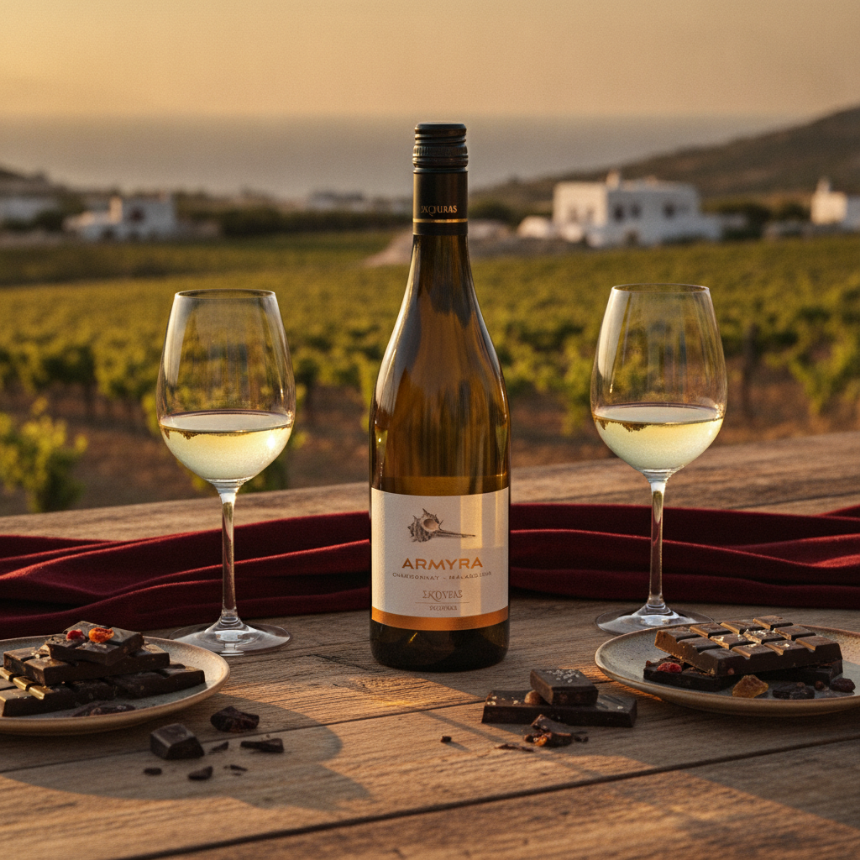
For a delightful and unexpected pairing, consider a nuanced white wine like Domain Skouras Armyra 2024 - PGI Peloponnese Dry White Wine 750ml | Chardonnay-Malagousia Blend, French Oak Aged, Corinthia Vineyards. This blend offers a beautiful balance of Malagousia's aromatic freshness with Chardonnay's structure and hints of oak. Its crisp acidity and stone fruit notes make it an ideal partner for white chocolate, or a delicate milk chocolate infused with citrus zest or floral elements like rose or orange blossom. The wine's elegance from the Corinthia vineyards ensures a sophisticated, harmonious blend, especially when paired with a high-quality chocolate with a smooth, lingering finish.2. Sparkling Wine with Fruity or Salted Chocolates
Sparkling wines, with their effervescence and acidity, are incredibly versatile. Milia Riza The Experiential Blanc de Gris 2020 - Traditional Method Sparkling Wine 75cl | Moschofilero, 19 Months on Lees, Brut, 12% ABV, made from the aromatic Moschofilero grape, presents bright citrus and floral notes. Its traditional method production and 19 months on lees add complexity and a creamy texture, making it an excellent match for a single-origin milk chocolate with red berry notes or a dark chocolate with a touch of sea salt. The sparkling wine's vivacity cleanses the palate, preparing it for the next indulgent bite.3. Rosé Sparkling Wine with Berry-Infused Dark Chocolates
For a captivating and celebratory pairing, reach for Milia Riza Azzardà Rosé 2022 - Brut Nature Traditional Method Sparkling Wine 75cl | Agiorgitiko, Ancient Nemea, 24 Months on Lees. Crafted from the noble Agiorgitiko grape from Ancient Nemea and aged for 24 months on lees, this Brut Nature rosé offers vibrant red fruit character (strawberry, cherry) with a dry, crisp finish. It’s superb with a dark chocolate infused with berries (raspberry, cherry) or one that has a subtle spice. The wine's dryness and fruit-forward profile beautifully complement the chocolate's richness without clashing, offering a refreshing and luxurious experience. Our commitment to luxury extends to all aspects of Mediterranean living, from our premium Olive Oil selections to our exquisite Vegan Skincare, ensuring a holistic approach to well-being.Beyond the Palate: The Cultural Resonance of Wine and Chocolate
The act of pairing wine and chocolate transcends mere gustatory pleasure; it's a cultural statement, a shared experience rooted in ancient traditions of hospitality and indulgence. In Greece, the offering of wine and sweets has long been a gesture of welcome and celebration. When we thoughtfully combine these two elements, we are not just tasting; we are participating in a timeless ritual that speaks of craftsmanship, provenance, and generosity.
This cultural dimension adds another layer of appreciation to the pairing. It invites us to slow down, savor, and share. Complementing these experiences, our artisanal Candles, particularly those from our Pure Greek Olive Wax Candles collection, set the perfect ambiance for such moments of reflection and connection, further enriching the sensory tapestry.
Health Benefits: A Sophisticated Indulgence
Beyond their exquisite flavors, both dark chocolate and red wine offer notable health benefits when consumed in moderation. Dark chocolate, especially varieties with high cacao content, is rich in antioxidants, particularly flavonoids and polyphenols. These compounds are known for their potential to support cardiovascular health.
Similarly, red wine contains resveratrol and other polyphenols, which have been studied for their antioxidant and anti-inflammatory properties. Research published in PubMed highlights the rich concentration of polyphenols in dark chocolate and red wine, known for their antioxidant properties. While these benefits are a welcome bonus, the primary focus remains on the enjoyment and appreciation of their complex profiles within a balanced lifestyle.
The journey through Greek wine and chocolate pairing is one of discovery—a testament to the incredible diversity and richness of Mediterranean terroir. It's about understanding the subtle interplay of elements, from the soil to the craftsperson, and ultimately, about creating moments of unparalleled luxury and sensory delight. Through thoughtful selection and an open palate, the perfect synergy awaits.
Frequently Asked Questions
The most crucial rule is to ensure the wine is sweeter than the chocolate, or at least equally sweet. If the wine is drier than the chocolate, the sweetness of the chocolate will make the wine taste bitter or excessively tannic.
Terroir, encompassing soil, climate, and topography, profoundly influences the unique flavor profiles of both grapes and cacao. Understanding the terroir helps in identifying complementary notes—such as a wine's minerality aligning with a chocolate's earthy undertones—creating a more harmonious and authentic pairing.
Absolutely! Sparkling wines, especially a Brut or Brut Nature, can be excellent partners for chocolate due to their acidity and effervescence. They effectively cleanse the palate, making them ideal for pairing with a range of chocolates, particularly those with fruit inclusions or a touch of salt, as demonstrated with our Milia Riza selections.

Expert Insights by Xenophon Liapakis
With over 15 years in Mediterranean luxury gastronomy and a certification in Sensory Analysis, Xenophon Liapakis founded elenianna to share the profound connection between scientific knowledge and ultimate taste. His expertise emphasizes the unique Greek 'Terroir' and the beneficial properties of ingredients like polyphenols and Oleocanthal.
Explore Elenianna Treasures
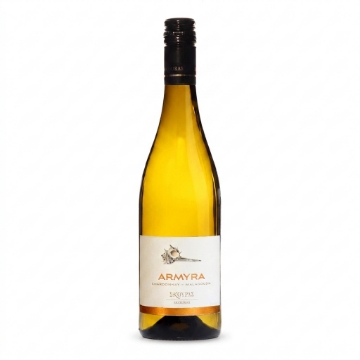 Domain Skouras Armyra 2024 - PGI Peloponnese Dry White Wine 750ml | Chardonnay-Malagousia Blend, French Oak Aged, Corinthia Vineyards
 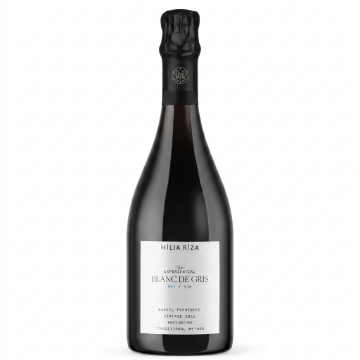 Milia Riza The Experiential Blanc de Gris 2020 - Traditional Method Sparkling Wine 75cl | Moschofilero, 19 Months on Lees, Brut, 12% ABV
 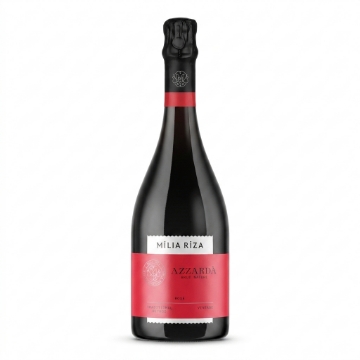 Milia Riza Azzardà Rosé 2022 - Brut Nature Traditional Method Sparkling Wine 75cl | Agiorgitiko, Ancient Nemea, 24 Months on Lees