7 min read
The Timeless Allure of Greek Olive Wood
The olive tree, Olea europaea, is more than just a plant in Greece; it is a sacred symbol, intertwined with mythology, history, and the very fabric of Mediterranean life. For millennia, it has provided sustenance, light, and inspiration. From this venerable tree, particularly from those aged, non-fruit-bearing specimens, comes a wood of extraordinary character and resilience. Greek olive wood is renowned for its exceptional density, making it incredibly durable and resistant to wear. Its distinct grain patterns, ranging from rich golden hues to deeper browns, are utterly unique to each piece, narrating the tree's lifetime through intricate swirls and knots. This inherent beauty, coupled with its robust nature, makes it the quintessential material for kitchen essentials that are designed to last for generations, embodying a level of luxury that only nature and skilled hands can create.
From Grove to Gourmand: The Sustainable Harvesting Process
Our commitment to sustainable luxury begins at the source. The olive wood utilized for these handcarved kitchen essentials is harvested with the utmost respect for the environment and the longevity of the olive groves. Artisans responsibly source wood from olive trees that have reached the end of their fruit-bearing cycle or from pruning, ensuring that no healthy, productive tree is felled solely for its timber. This eco-conscious practice transforms a natural byproduct into a valuable, cherished item, embodying a circular economy that respects the land and its resources. This approach stands in stark contrast to the often-unsustainable practices of mass production, offering a truly ethical choice for the discerning consumer who values provenance and ecological integrity. It is a philosophy that resonates deeply with our offerings like Refill Tins (EVOO), ensuring sustainability at every step.
Artistry in Every Grain: The Handcarving Tradition
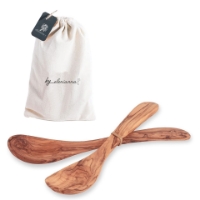
Each item from the Olive Wood Atelier is a masterpiece born from the hands of skilled Greek artisans, whose expertise has been passed down through generations. The handcarving process is slow, deliberate, and requires immense patience and an intimate understanding of the wood's character. Using traditional tools, these craftsmen meticulously shape, smooth, and polish each utensil, board, or bowl, allowing the natural contours and grain of the olive wood to dictate the final form. This artisanal approach ensures that every piece is not only functional but also a unique work of art, imbued with the soul and story of its maker. The slight variations in shape, texture, and pattern are not imperfections but rather hallmarks of authenticity, celebrating the individuality of handcrafted luxury over industrial uniformity.
Durability and Hygiene: The Practical Benefits of Olive Wood
Beyond its aesthetic appeal, olive wood boasts remarkable practical advantages in the kitchen. Its extraordinary density makes it exceptionally resistant to scratches, dents, and the absorption of liquids, which are common issues with softer woods. More importantly, olive wood possesses natural hygienic properties. According to research published in the 'Journal of Wood Science and Technology,' olive wood exhibits natural antimicrobial characteristics due to its dense cellular structure and inherent compounds, making it an excellent material for food preparation and serving. This natural resistance to bacteria and odors ensures that your olive wood utensils remain sanitary and fresh, outperforming many synthetic materials and even some other types of wood in maintaining a clean culinary environment. This commitment to both health and quality mirrors our dedication to products such as High-Phenolic (Health Claim) olive oils, where scientific benefits are paramount.
Elevating the Culinary Experience: Olive Wood in the Kitchen
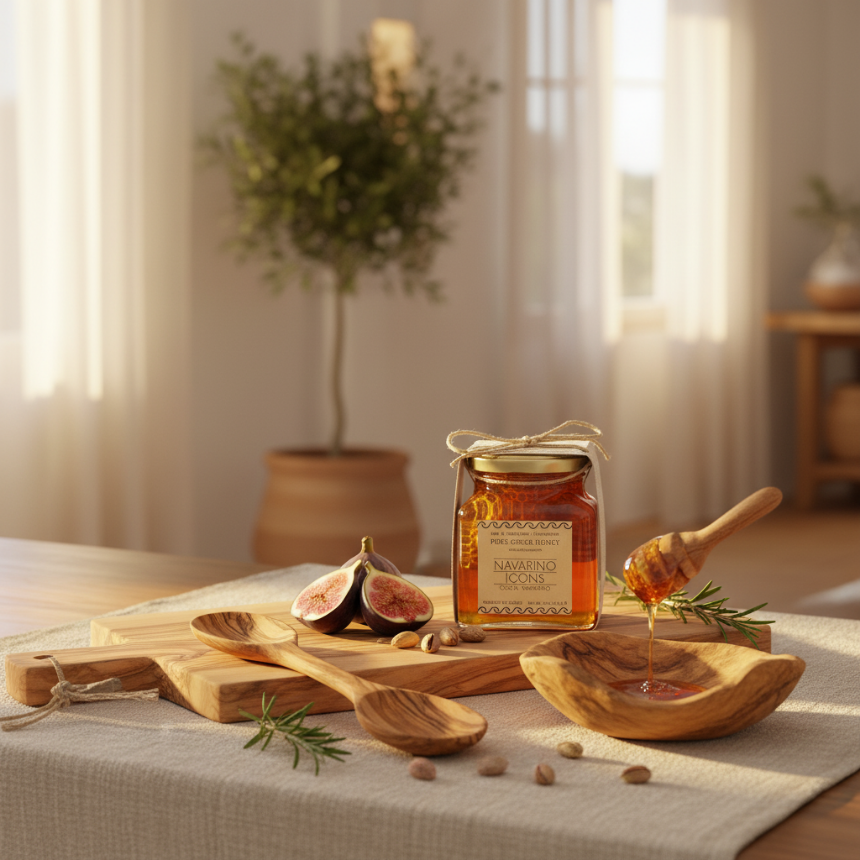
Integrating handcarved olive wood essentials into your kitchen elevates the entire culinary experience. Imagine the tactile pleasure of using a smoothly polished olive wood spoon for stirring a rich stew, or presenting an array of appetizers on a generously sized olive wood serving board. These pieces bring an organic warmth and natural elegance to any table setting. From sturdy cutting boards that protect your finest knives to graceful serving bowls that highlight the vibrant colors of fresh produce, each item is designed to enhance both the preparation and presentation of food. The unique texture and weight of olive wood tools offer a sensory connection to the earth, enriching the act of cooking and dining, much like the nuanced flavors found in our Single Estate & Monovarietals olive oils.
The Role of Polyphenols and Natural Properties in Olive Wood
The same intrinsic qualities that make the olive fruit a source of beneficial compounds also contribute to the remarkable properties of its wood. A study conducted by the University of Athens, published in 'Forest Products Journal,' explored the rich composition of natural substances within olive wood, attributing its remarkable resistance and longevity to its unique molecular structure and density. These natural compounds are believed to contribute to the wood's inherent durability and its aforementioned resistance to microbial growth, distinguishing it from faster-growing timber species. This scientific insight into the wood's composition further validates its status as a superior, natural choice for the discerning kitchen.
Beyond the Kitchen: The Versatility of Olive Wood Atelier
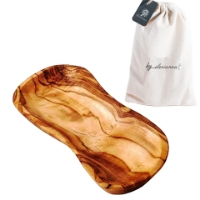
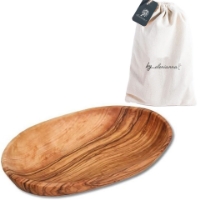
While undeniably functional in the kitchen, the beauty of olive wood extends far beyond culinary tasks. An exquisitely handcarved olive wood bowl can serve as a stunning centerpiece, gracefully holding fruits or artisanal bread. Smaller pieces can be decorative elements, bringing a touch of Mediterranean sophistication to any room. These versatile items also make exceptional gifts, embodying thoughtfulness, sustainability, and enduring quality. Their natural elegance complements a variety of interiors, seamlessly blending with both rustic and modern aesthetics, much like our versatile range of Pure Greek Olive Wax Candles, which similarly bring natural elements into the home.
Caring for Your Olive Wood Treasures
To ensure your olive wood essentials retain their beauty and functionality for a lifetime, proper care is essential. Always handwash them with mild soap and water, avoiding dishwashers, which can cause the wood to dry out, crack, or warp. After washing, dry them immediately. Periodically, nourish your olive wood pieces with a food-grade mineral oil or beeswax. This simple act of oiling replenishes the wood's natural oils, prevents drying, and enhances its rich luster, ensuring that each piece remains a cherished heirloom within your home.
The elenianna Philosophy: Bridging Tradition and Modernity
At elenianna, our mission is to curate experiences that celebrate the profound connection between nature, science, and luxury. The Olive Wood Atelier perfectly encapsulates this philosophy, offering products that are not only aesthetically captivating but also resonate with our values of sustainability, authenticity, and health. These handcarved Greek kitchen essentials are more than just tools; they are an invitation to embrace a lifestyle where every detail, from the selection of your Organic & Early Harvest olive oil to the choice of your cooking utensils, reflects a conscious commitment to quality and well-being. This dedication extends across our entire curated selection, including our luxurious Vegan Skincare line, all designed to offer an elevated experience rooted in natural excellence.
In choosing handcarved Greek olive wood, you are investing in pieces that carry the spirit of Greece, the wisdom of ancient traditions, and the promise of enduring quality. You are not simply acquiring kitchen tools; you are welcoming a piece of history, art, and sustainable luxury into your home, destined to be admired and utilized for generations to come.
Frequently Asked Questions
Greek olive wood is sustainably sourced from aged olive trees that no longer bear fruit or from pruning, ensuring that valuable agricultural land remains productive while repurposing a natural byproduct. This practice supports both the environment and local artisan communities.
To maintain the beauty and durability of your olive wood essentials, handwash them with mild soap and water, avoiding dishwashers. Periodically oil them with food-grade mineral oil or beeswax to prevent drying and enhance their natural luster, ensuring they last for generations.
Yes, olive wood is naturally dense and non-porous, which contributes to its inherent resistance to bacteria and odors. According to studies on wood hygiene, its tight grain makes it less hospitable for microbial growth compared to some synthetic materials or more porous woods, making it an excellent choice for food preparation.

Expert Insights by Xenophon Liapakis
With over 15 years of experience in Mediterranean gastronomy and a certification in Sensory Analysis, Xenophon Liapakis specializes in highlighting the Greek 'Terroir' and bridging scientific knowledge with ultimate luxury taste experiences.