
Olive Oil
Greek extra virgin olive oil represents the pinnacle of Mediterranean culinary tradition, produced through mechanical cold-pressing at temperatures below 27°C to preserve its exceptional nutritional profile. Characterized by free acidity levels consistently below 0.3%, authentic Greek EVOO contains 65-80% oleic acid and bioactive polyphenols including oleocanthal and oleacein, compounds responsible for its distinctive peppery finish and remarkable oxidative stability.
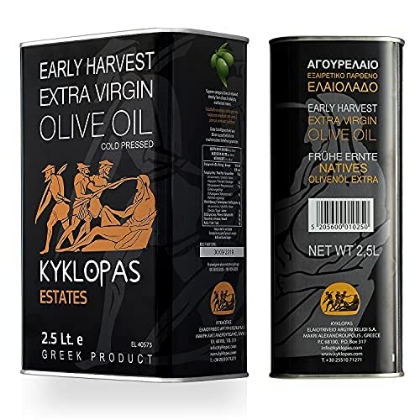
Our collection features Protected Designation of Origin (PDO) oils from renowned regions including Kalamata, Sitia Lasithiou Kritis, and Kolymvari Chania, alongside Protected Geographical Indication (PGI) varieties from Laconia and Crete. Dominant cultivars include the prized Koroneiki, known for its high polyphenol concentration, as well as Manaki, Tsounati, and Lianolia varieties. From early-harvest Agourelaio with its robust, herbaceous character to organic and award-winning selections, each oil reflects Greece's diverse terroirs and centuries-old olive-growing expertise. Available for worldwide delivery with complete traceability and authenticity certification.
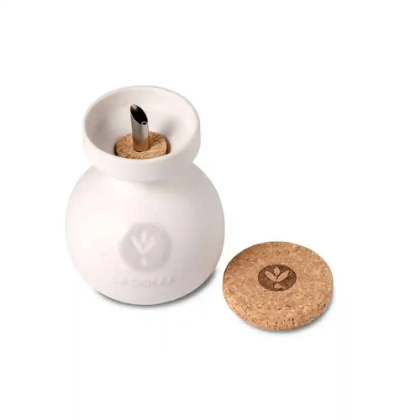


Azurean No. 1 Cretan Wild Extra Virgin Olive Oil 250ml
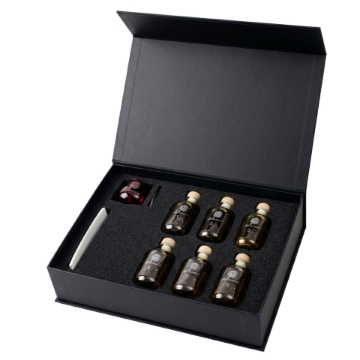


elenianna Regional Culinary Experiences - Greek Olive Oil Tasting Kit, 6 Single-Variety Extra Virgin Oils | Koroneiki, Tsounati, High-Phenolic Early Harvest, Luxury Gourmet Gift Box for Corporate Gifting


The Governor Premium Extra Virgin Olive Oil - Unfiltered 500ml | Limited Edition from Corfu, Early Harvest, Cold Pressed, High Polyphenol, Award-Winning Lianolia Cultivar
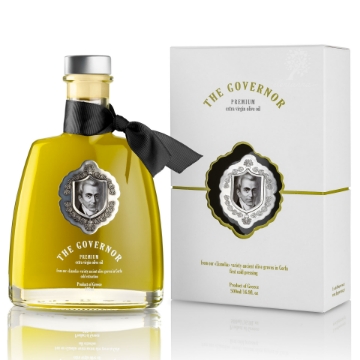
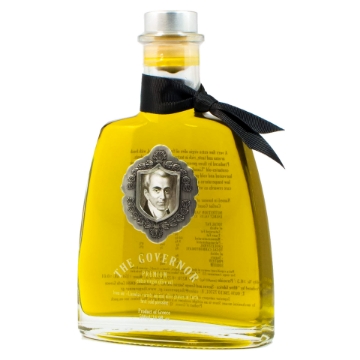
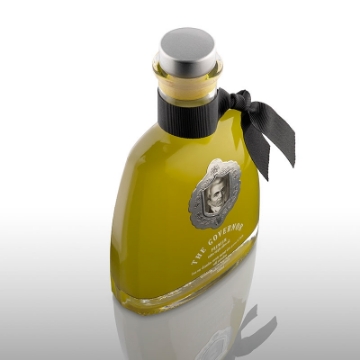
The Governor Unfiltered Olive Oil Premium Edition – High-Phenolic Corfu EVOO