3 min read
The Foundation: Understanding Greek Herbs
Aromatic Profiles and Culinary Applications
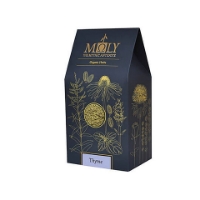
Greek herbs are more than just seasonings; they are integral components of Mediterranean cuisine, each carrying a unique story of the terroir. Oregano, known for its peppery and slightly bitter profile, perfectly complements hearty meats and tomato-based sauces. Thyme, with its earthy and subtly floral aroma, enhances roasted vegetables and adds depth to poultry dishes. Rosemary, with its piney and resinous notes, is a classic pairing for lamb and lends itself beautifully to infused oils. Mint, refreshing and bright, finds its place in salads, desserts, and even savory dishes like dolmades. For the adventurous palate, consider pairing our Award-Winning Selections with less common herbs like dittany, known for its complex, slightly sweet, and medicinal flavor profile.Pairing Herbs with Elenianna's Treasures
Creating Harmonious Flavor Combinations
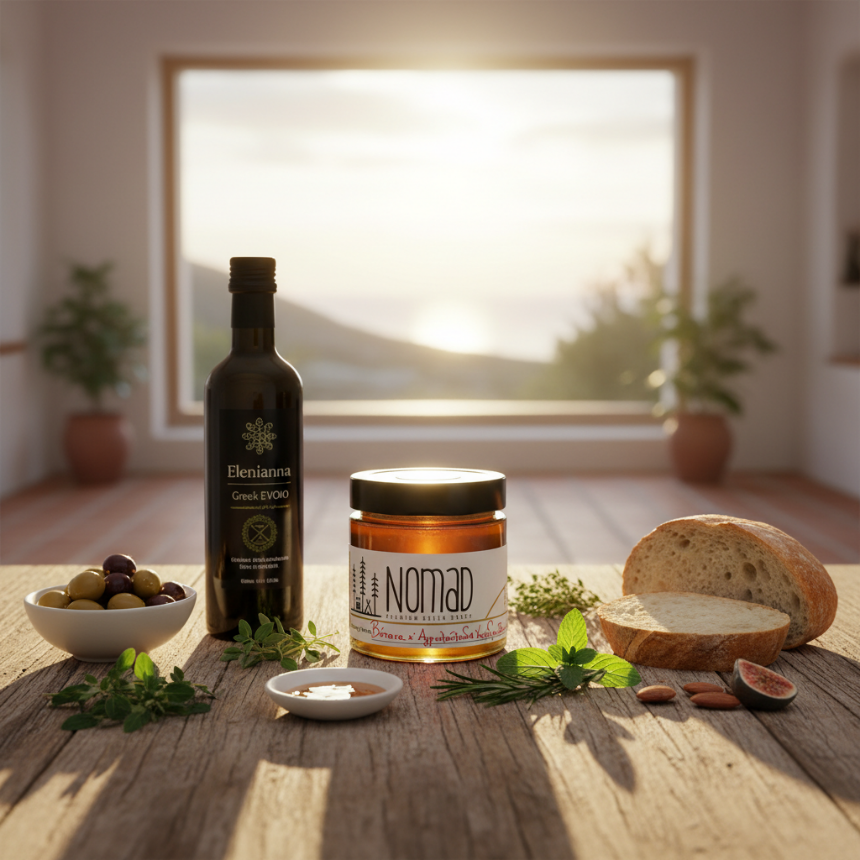
Pairing herbs with Elenianna's exceptional products is an exercise in sensory harmony. Our Greek EVOO, with its fruity and robust notes, provides the perfect canvas for herb infusions. Consider steeping rosemary sprigs in our Classic EVOO (Curated Classics) to create an aromatic oil ideal for drizzling over grilled fish or roasted potatoes. The intense flavor of our High-Phenolic EVOO balances beautifully with the bright zest of lemon and the herbaceous notes of dill, creating a vibrant marinade for seafood. For a truly decadent experience, incorporate thyme into our Signature Collections. A drizzle of our ultra-premium Organic BIO EVOO infused with lemon thyme over a simple salad of ripe tomatoes and creamy feta is a testament to the simplicity and elegance of Mediterranean flavors. Furthermore, explore the possibilities of pairing herbs with our other offerings. A touch of oregano elevates the savory complexity of our Olives and Olive Paste. Incorporate mint into a salad dressed with our Blends (Expertly Composed) for a refreshing twist. Consider a Tasting Sets & Flights for a deep dive into the pairing experience.Beyond the Plate: Integrating Herbs into the Mediterranean Lifestyle
A Sensory Journey
Herbs are not confined to the kitchen; they are woven into the fabric of Mediterranean living. Consider incorporating them into your home décor, using dried lavender or rosemary sprigs to create fragrant potpourri. Explore their therapeutic properties by brewing herbal teas with dittany or chamomile. Share the Experience & Gifting with loved ones by gifting beautifully packaged herb-infused oils or vinegars. And don't forget the pure, unadulterated pleasure of freshly picked herbs, their aromas filling the air as you prepare a meal. Our Flavored & Infused Oils are the perfect starting point to get inspired. Remember to check our Refill Tins (EVOO) when you run out of your favorite Greek Extra Virgin Olive Oil.Frequently Asked Questions
Oregano, thyme, rosemary, mint, dill, and parsley are among the most frequently used herbs in Greek cuisine. They each offer unique flavors that complement a wide range of dishes.
Fresh herbs should be stored in the refrigerator. Wrap them loosely in a damp paper towel and place them in a plastic bag or container. Alternatively, you can place the stems in a glass of water, like flowers, and cover the leaves loosely with a plastic bag.
Yes, dried herbs can be used as a substitute for fresh herbs, but they have a more concentrated flavor. A general rule of thumb is to use one teaspoon of dried herbs for every tablespoon of fresh herbs called for in a recipe.

Elenianna Sommelier
Expert in Mediterranean gastronomy and luxury food pairing. Curating the finest Greek flavors for a global audience.